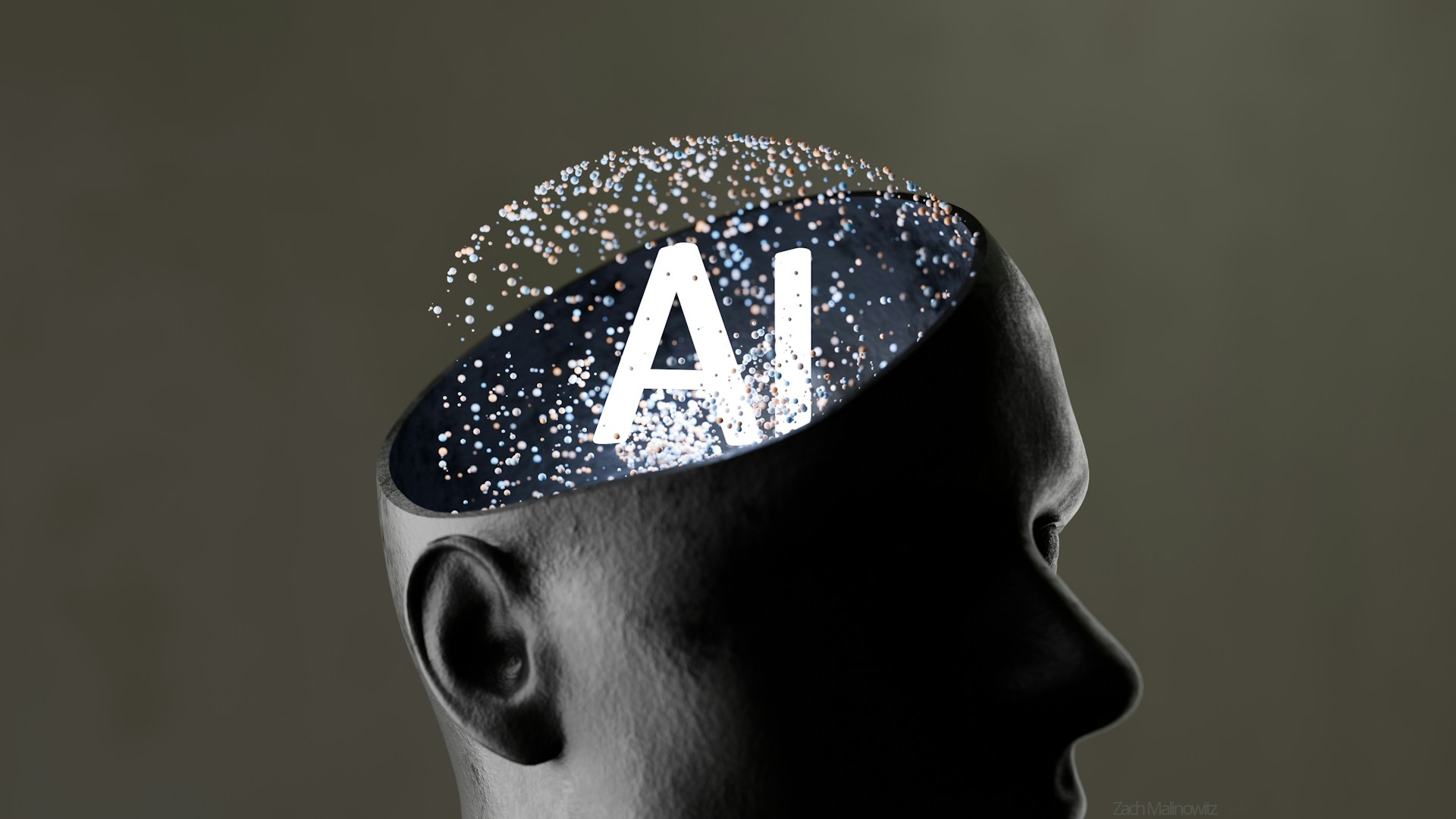
When people talk about AI use cases, conversations often drift toward science fiction — sentient robots, dystopian futures, machines replacing humanity. The reality in 2026 is simultaneously more mundane and more transformative. Artificial intelligence is quietly embedded in the systems, products, and decisions that shape daily life across virtually every industry. From the way your bank flags suspicious transactions to how your doctor interprets a medical scan, real world AI applications have already changed the rules.
This guide cuts through the hype to show you exactly where AI is delivering genuine, measurable value right now — and what it means for the industries being reshaped.
Healthcare: Diagnostics, Drug Discovery, and Personalised Treatment
Healthcare represents one of the most consequential applications of AI, and also one of the most mature. AI-powered diagnostic systems now match or exceed specialist-level accuracy in detecting conditions from medical imaging — including diabetic retinopathy, certain cancers, and cardiovascular abnormalities — in a fraction of the time a human review would require.
In drug discovery, AI models like DeepMind’s AlphaFold have solved protein folding problems that stumped researchers for decades, unlocking pathways to treatments for diseases that were previously intractable. Pharmaceutical companies are using AI to dramatically compress the drug development timeline — from target identification to clinical trial candidate selection — reducing a process that historically took a decade to a matter of months for initial screening.
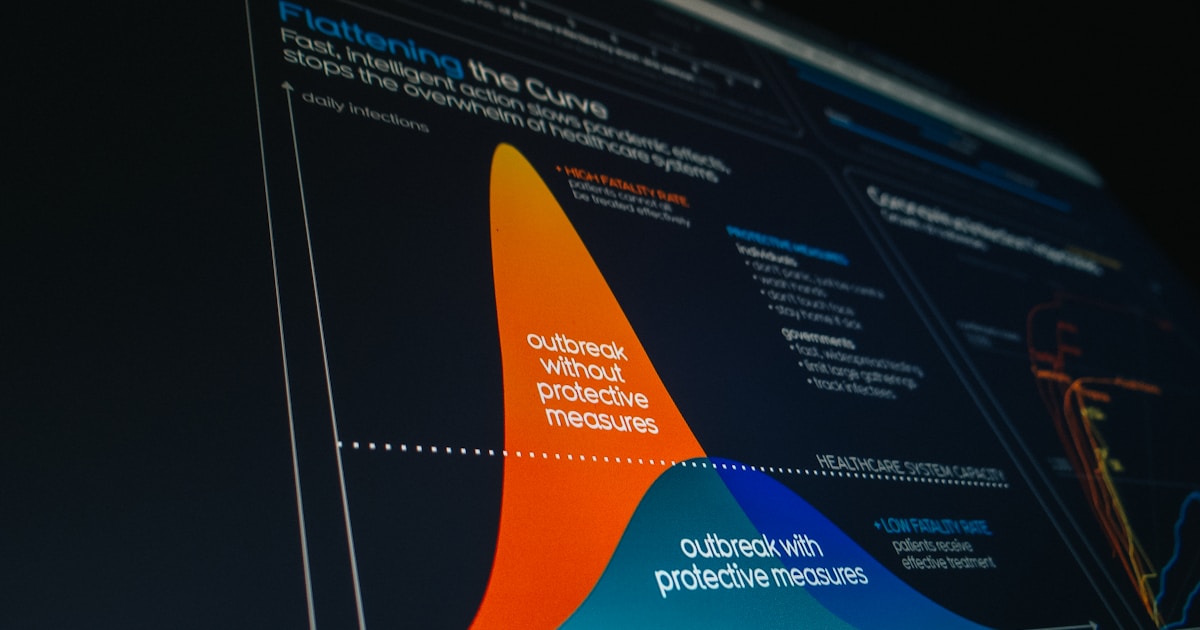
Personalised medicine is another frontier. AI analyses genomic data, patient history, lifestyle factors, and treatment outcomes to recommend therapies tailored to individual patients rather than statistical averages — improving outcomes while reducing adverse effects.
Financial Services: Fraud Detection, Credit Scoring, and Algorithmic Trading
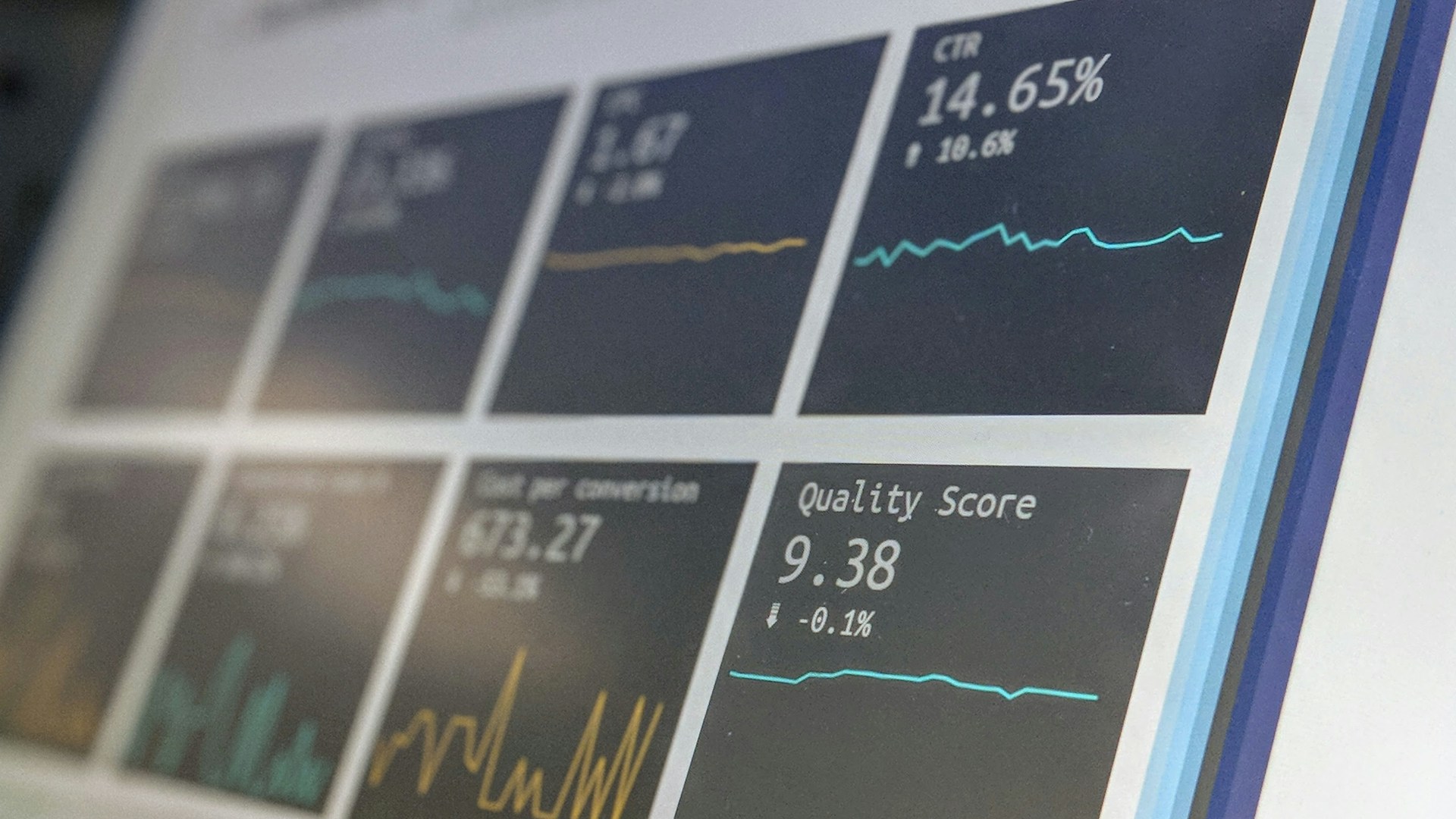
Financial services was among the earliest industries to operationalise AI at scale, and in 2026 it remains one of the deepest adopters. Fraud detection systems analyse thousands of transaction attributes in real time — location, device, spending patterns, merchant category, time of day — to flag anomalies within milliseconds, stopping fraudulent transactions before they complete.
Credit scoring has been transformed by AI models that incorporate non-traditional data sources — rental payment history, utility bills, behavioural signals — to extend credit to individuals who would be invisible to traditional scoring models, while simultaneously improving default prediction accuracy for lenders.
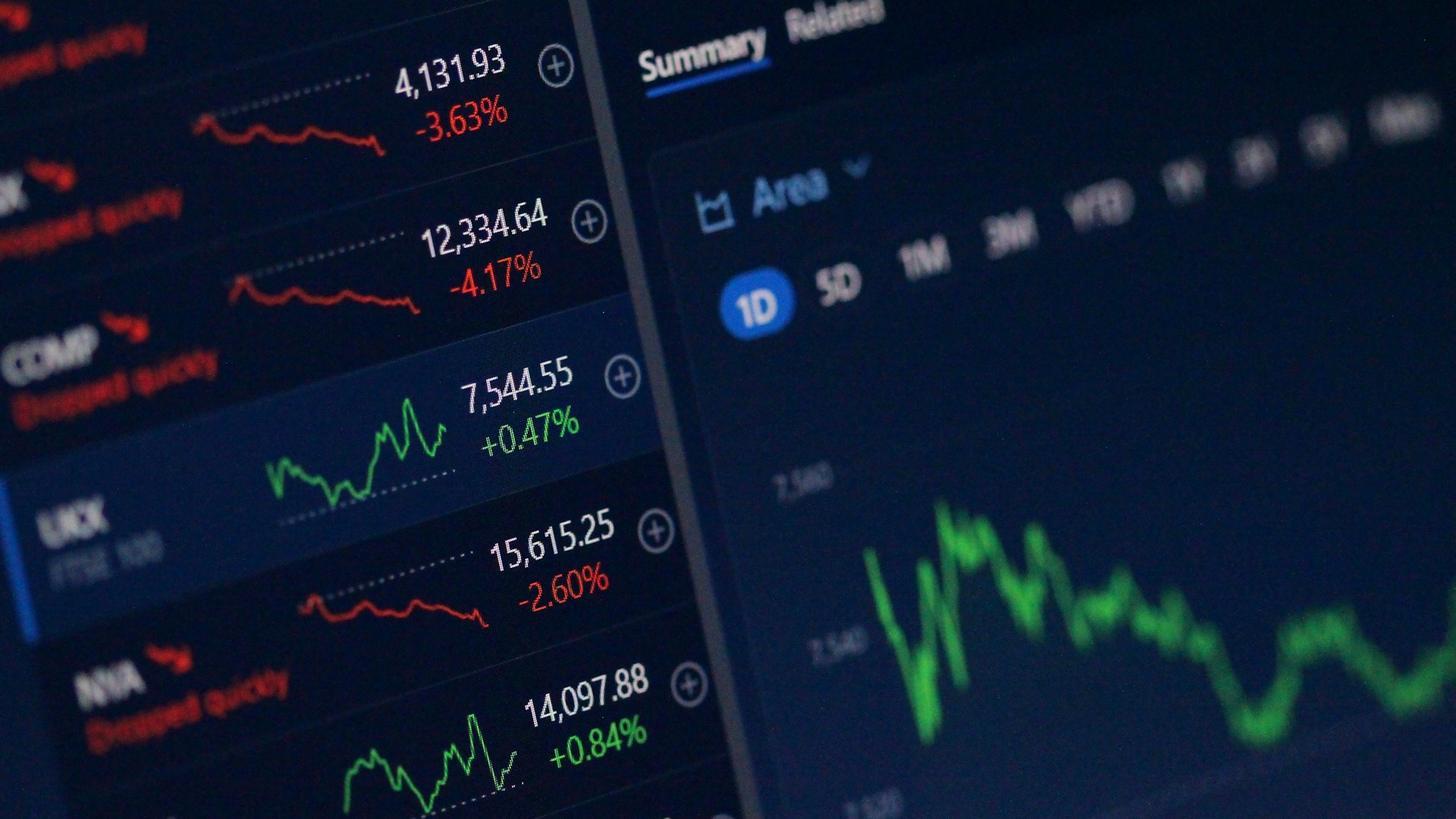
In capital markets, algorithmic trading systems powered by machine learning execute millions of trades per day, responding to market signals faster than any human trader. Risk management platforms use AI to model scenarios, stress-test portfolios, and flag concentration risks that rules-based systems would miss.
Retail and E-Commerce: Personalisation, Inventory, and Demand Forecasting
The recommendation engine is the most visible AI example most consumers encounter daily. When Amazon suggests a product you actually want, when Netflix serves up a show you end up watching, or when Spotify generates a playlist that fits your mood — these are machine learning models operating on your behavioural data at scale.

Behind the scenes, AI-driven demand forecasting has transformed retail supply chains. Models that incorporate historical sales, seasonal patterns, weather data, social media trends, and macroeconomic signals now predict demand with accuracy that reduces both overstock (which ties up capital) and stockout (which loses sales). Major retailers report significant reductions in inventory waste since deploying AI forecasting at scale.
Dynamic pricing — adjusting prices in real time based on demand, competitor pricing, and inventory levels — is another mature AI application that has moved from airlines and hotels into mainstream retail, optimising revenue across every category.
Manufacturing: Predictive Maintenance and Quality Control
In manufacturing, AI’s most valuable application is knowing when a machine is about to fail before it does. Predictive maintenance systems use sensor data — vibration, temperature, acoustic signatures, electrical consumption — to detect anomalies that precede equipment failures, allowing maintenance to be scheduled proactively rather than reactively.
The economics are compelling: unplanned downtime in manufacturing can cost tens of thousands of dollars per hour. Companies that have implemented AI-driven predictive maintenance report reductions in unplanned downtime of 30–50%, with corresponding improvements in overall equipment effectiveness.
Computer vision systems perform quality inspection at speeds and consistency levels no human inspector can match — examining thousands of units per hour for defects that might be invisible to the naked eye, reducing the defect rate reaching customers while eliminating the cost of manual inspection lines.
Transportation and Logistics: Route Optimisation and Autonomous Systems
Logistics optimisation powered by AI has transformed how goods move around the world. UPS’s ORION system — an AI-powered route optimisation platform — analyses millions of delivery routes daily, saving hundreds of millions of miles driven annually. Similar systems are now standard across the logistics industry, incorporating real-time traffic, weather, vehicle capacity, and delivery time windows into optimisation decisions that update dynamically throughout the day.
Autonomous vehicles, while still rolling out cautiously in public spaces, have found strong commercial footing in controlled environments. Autonomous forklifts and warehouse robots operate in distribution centres at scale. Self-driving trucks are operating on specific freight corridors. Port automation has dramatically reduced the human labour required to move containers.
Air traffic management, maritime navigation, and rail scheduling are all being enhanced by AI systems that improve safety and throughput simultaneously.
Agriculture: Precision Farming and Crop Management
Agriculture is an industry where AI is delivering transformative value largely out of public view. Precision farming systems combine satellite imagery, drone surveys, soil sensors, and weather data with machine learning models to give farmers granular, field-level insights that were previously impossible to obtain.
AI-powered systems identify pest infestations, nutrient deficiencies, and disease outbreaks from aerial imagery before they become visible to the naked eye — enabling targeted interventions rather than blanket pesticide applications, reducing input costs and environmental impact simultaneously. Yield prediction models help farmers and commodity traders make better decisions about planting, inputs, and harvest timing.

Automated harvesting robots guided by computer vision are increasingly able to handle delicate crops that were previously considered impossible to mechanise, addressing labour shortages while reducing costs.
Education: Adaptive Learning and Personalised Tutoring
AI is reshaping education by making personalised learning economically feasible at scale. Adaptive learning platforms assess each student’s knowledge state, identify gaps, and dynamically adjust content, pacing, and difficulty — providing the kind of individualised instruction that was previously only available through expensive one-to-one tutoring.
AI tutoring systems powered by large language models can answer student questions, explain concepts in multiple ways, provide immediate feedback on written work, and generate practice problems tailored to each learner’s current level. For students in under-resourced educational environments, this represents access to high-quality educational support that geography or economics previously denied them.
For educators, AI tools handle grading, generate lesson plans, identify students at risk of falling behind, and free up teacher time for the high-value human interactions that technology cannot replicate.
Energy: Grid Management and Renewable Integration
The transition to renewable energy presents enormous grid management challenges — solar and wind are intermittent, demand is variable, and balancing supply with demand in real time is increasingly complex. AI is the enabling technology that makes a high-renewables grid manageable.
AI systems predict renewable energy generation hours ahead based on weather forecasts, allowing grid operators to pre-position backup generation and storage. Demand response systems use AI to shift flexible loads — industrial processes, EV charging, building HVAC — to periods of high renewable availability and low demand, balancing the grid without curtailing clean energy.
In oil and gas, AI optimises drilling operations, predicts reservoir behaviour, and manages pipeline integrity — improving efficiency and safety simultaneously. Building energy management systems use AI to reduce energy consumption in commercial real estate by 15–30% without compromising occupant comfort.
Customer Service: Intelligent Virtual Agents and Sentiment Analysis
AI-powered virtual agents have moved far beyond the frustrating automated phone trees of the past. Modern conversational AI can handle complex customer service interactions across voice and text channels — understanding intent, maintaining context across a conversation, accessing customer account information, and resolving a widening range of issues without human involvement.
For interactions that do require human agents, AI provides real-time assistance — surfacing relevant knowledge base articles, suggesting responses, flagging compliance requirements, and summarising the conversation so agents can focus on the customer rather than note-taking. Sentiment analysis tools monitor customer interactions across all channels, flagging dissatisfied customers for proactive outreach and identifying systemic product or service issues from aggregate patterns.
Legal and Compliance: Contract Analysis and Regulatory Monitoring
Legal and compliance functions have been transformed by AI’s ability to read, understand, and extract insights from large volumes of text at speeds no human team could match. Contract analysis tools review commercial agreements in minutes, identifying non-standard clauses, missing provisions, and risk factors that would require hours of lawyer time to surface manually.
In compliance, AI monitors regulatory changes across jurisdictions, maps them to internal policies, and flags gaps that require remediation — a function that has grown enormously in importance as the pace of regulatory change has accelerated. E-discovery platforms use AI to identify relevant documents in litigation from collections of millions of files, dramatically reducing the cost and time of legal proceedings.
Frequently Asked Questions
What are the most common real-world AI applications?
The most widespread real-world AI applications include recommendation systems (retail, streaming, social media), fraud detection in financial services, medical image analysis in healthcare, predictive maintenance in manufacturing, route optimisation in logistics, and virtual assistants in customer service. These are all operating at commercial scale today.
Which industry benefits most from AI?
Healthcare and financial services are typically cited as the industries with the deepest and most mature AI adoption, given the data richness of both sectors and the high value of improved accuracy and efficiency. Manufacturing and logistics are also transforming rapidly through AI-driven automation and optimisation.
What are AI examples in everyday life?
Everyday AI examples include Netflix and Spotify recommendations, spam filters in email, face recognition to unlock your phone, navigation apps that avoid traffic in real time, voice assistants like Siri and Alexa, autocorrect and predictive text, targeted advertising, and bank fraud alerts on your transactions.
How is AI used in agriculture?
AI is used in agriculture for precision farming (optimising inputs based on soil and crop data), disease and pest detection from drone imagery, yield prediction, automated irrigation management, and increasingly for robotic harvesting of delicate crops.
Is AI being used in education today?
Yes. AI-powered adaptive learning platforms, intelligent tutoring systems, automated grading tools, and early warning systems for at-risk students are all in active use in schools and universities globally. Large language model-based tutors have also become widely available as consumer and institutional products.
How does AI help in fraud detection?
AI fraud detection analyses hundreds of transaction attributes simultaneously in real time — including location, device, merchant category, spending velocity, and historical behaviour patterns — to flag anomalies within milliseconds. This catches fraud patterns that rule-based systems miss while generating fewer false positives that inconvenience legitimate customers.
What role does AI play in climate and energy?
AI plays a critical role in integrating renewable energy into the grid through generation forecasting and demand management, in optimising building energy consumption, in improving the efficiency of oil and gas operations, and in climate modelling that informs policy decisions.
Can AI replace human workers across these industries?
AI is automating specific tasks within roles rather than wholesale replacing professions. The pattern across every industry is that AI handles high-volume, routine, data-intensive tasks — freeing human workers for judgment-intensive, creative, and relationship-driven work. Roles that consist primarily of routine information processing face the greatest displacement risk; roles requiring contextual judgment, creativity, and human connection are augmented rather than replaced.
What are the risks of widespread AI adoption across industries?
Key risks include algorithmic bias producing unfair outcomes (particularly in credit, hiring, and criminal justice applications), data privacy concerns as AI systems require large personal datasets, concentration of economic gains among technology-owning firms, cybersecurity risks if AI systems are compromised, and the workforce displacement of roles that primarily involve routine cognitive tasks.
What industries will AI transform next?
Industries most likely to see accelerated AI transformation in the near term include construction (through robotics and design optimisation), government and public services (through process automation and better citizen services), media and entertainment (through AI-generated content and personalisation), and professional services such as accounting, consulting, and architecture.
Conclusion
The Question Is No Longer “If” — It’s “How Fast”
The ten industries profiled here represent only a fraction of where real world AI applications are already generating measurable impact. The common thread is not complexity or novelty — it is value. AI adoption has accelerated wherever it delivers faster decisions, lower costs, reduced errors, or the ability to do things at scales that were previously impossible.
For business leaders, the strategic question is no longer whether to adopt AI but how to do so thoughtfully — with clear objectives, appropriate governance, and realistic expectations about what the technology can and cannot do. The organisations that have moved from experimentation to operational deployment are already seeing compounding advantages. The gap between AI leaders and laggards is widening every quarter.
Understanding where AI is delivering real value — across all ten of these domains and beyond — is foundational knowledge for anyone operating in business, technology, or policy in 2026.
Stay Informed on AI Across Every Industry
Want concise, practical intelligence on how AI is transforming business and technology — without the hype? Subscribe to the Petafusion newsletter. Every week, we cut through the noise and deliver the insights that matter to forward-thinking professionals. Join thousands of readers who rely on us to stay sharp.