If you still think NFTs are just overpriced monkey pictures, you’ve missed the real story. NFT use cases have quietly evolved into something genuinely transformative — powering entire gaming economies, redefining digital ownership, and creeping into healthcare, real estate, and supply chains.
The hype cycle hit hard in 2021, crashed in 2022, and left a lot of noise in its wake. But underneath the noise, builders kept building. Blockchain gaming NFTs now let players actually own their in-game items. NFT utility tokens unlock exclusive memberships, event access, and real-world perks. Digital ownership — the idea that you can truly own a piece of the internet — is becoming infrastructure, not a gimmick.
This guide breaks down exactly where NFTs are creating real value in 2026 — with concrete examples, honest challenges, and a clear-eyed look at what’s actually working.
What Makes an NFT Useful? Understanding NFT Utility
An NFT (Non-Fungible Token) is a unique digital record stored on a blockchain. Unlike cryptocurrencies, no two NFTs are identical — that uniqueness is the foundation of NFT utility.
The Core Properties That Create Value
- Verifiable ownership — Anyone can confirm who owns an NFT on a public blockchain
- Scarcity — Creators can cap supply at any number (1-of-1, limited edition, or open edition)
- Programmability — Smart contracts can attach rules: royalties, unlockable content, access rights
- Interoperability — NFTs can move between platforms and ecosystems
- Composability — Other protocols can build on top of existing NFT standards
The shift from speculative collectibles to genuine NFT use cases happened when developers started leveraging all five properties together — not just scarcity.
NFT Utility Spectrum
Low Utility                                    High Utility
|------------|------------|------------|------------|------------|
| Pure Art   | Collectible| Membership | Gaming Item| Real Asset |
| (aesthetic)| (community)| (access)   | (playable) | (legal tie)|
|------------|------------|------------|------------|------------|
The further right you move, the more an NFT functions like real-world infrastructure.
Blockchain Gaming NFTs: Owning What You Earn
Blockchain gaming NFTs are the most mature category of NFT utility today, with multi-billion dollar ecosystems built around one simple premise: players should own what they earn.
The Problem With Traditional Gaming Ownership
In traditional games, you don’t own your items — the publisher does. Your legendary sword earned after hundreds of hours? The developer can delete it, ban your account, or shut down the servers. Blockchain gaming NFTs flip this entirely.
How Blockchain Gaming NFTs Work
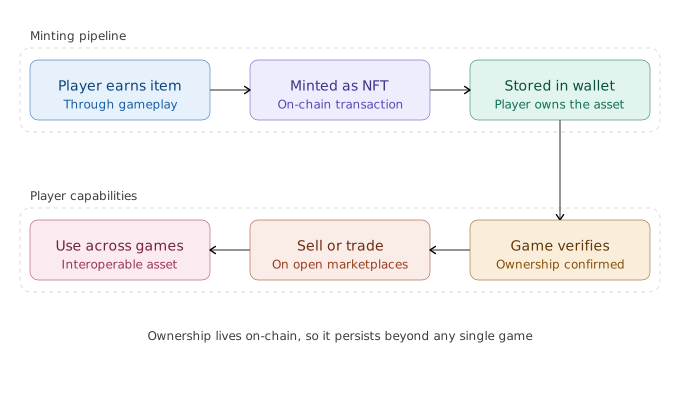
Real Examples of Blockchain Gaming NFTs
Axie Infinity
Axie Infinity popularized the “play-to-earn” model. Players own their Axies (creatures) as NFTs, breed and battle them, and sell them on open markets. At peak, some players in Southeast Asia earned more from Axie than local minimum wage.
Illuvium
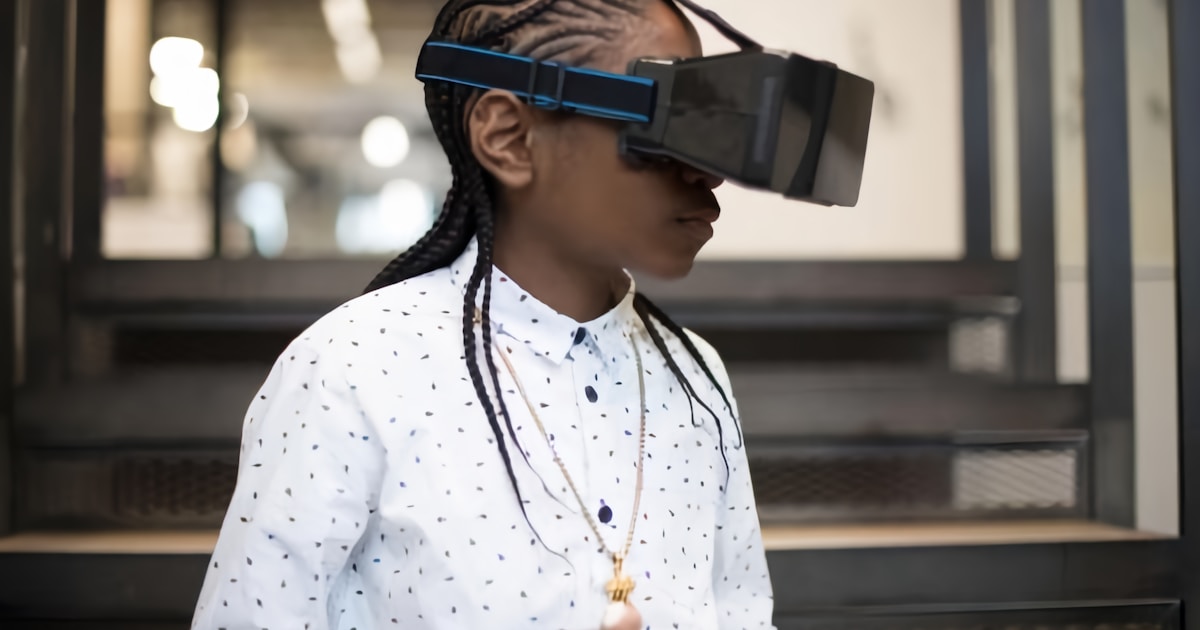
Illuvium is a AAA blockchain game where every creature, weapon, and land plot is an NFT. Players can sell assets on third-party markets — not just within the game’s walled garden.
Gods Unchained
A trading card game where every card is an NFT. Unlike Hearthstone, you can freely sell your cards. Rare early cards have sold for thousands of dollars on secondary markets.
The Sandbox
Virtual land parcels sold as NFTs. Brands like Adidas, Snoop Dogg, and The Walking Dead have purchased virtual land to build experiences — creating real estate economics inside a digital world.
Play-to-Earn vs. Play-and-Own
| Model | Focus | Sustainability |
|---|---|---|
| Play-to-Earn | Financial reward for playing | Low — often unsustainable economics |
| Play-and-Own | True asset ownership, fun first | Higher — value tied to enjoyment |
| Play-to-Own | Earn ownership through gameplay | Emerging — most promising model |
The industry has largely moved away from pure play-to-earn toward play-and-own models, where fun comes first and ownership is a bonus.
NFTs as Membership and Access Tokens
One of the most practical NFT use cases is using them as programmable membership cards. Unlike a plastic loyalty card, an NFT membership:
- Can’t be faked or duplicated
- Transfers automatically when sold
- Can unlock evolving perks via smart contract updates
- Creates a secondary market that rewards early members
Real-World Examples
Bored Ape Yacht Club (BAYC)
BAYC holders gained access to exclusive parties, merchandise drops, and commercial rights to their ape’s image. Some holders built businesses on those rights. The NFT was the membership key.
VeeCon
Gary Vaynerchuk’s VeeFriends NFTs serve as multi-year conference tickets to VeeCon. Holders don’t buy a new ticket each year — they hold the NFT.
Flyfish Club
A members-only restaurant in New York where membership is an NFT. You own your seat. You can sell it. The key to your table is on the blockchain.
Coachella
Coachella sold lifetime festival passes as NFTs — one holder gets free entry for life. These passes trade on secondary markets, meaning early buyers could profit if demand grows.
How Membership NFTs Work
Traditional Membership:
  You pay --> Company issues card --> Card has no resale value

NFT Membership:
  You mint/buy --> NFT in wallet --> Perks activate automatically
                       |
  Sell NFT --> New holder gets perks --> You receive resale value
Digital Ownership: Tickets, Credentials, and Identity
Event Ticketing
NFT tickets address real problems with traditional ticketing: scalping, fraud, and no artist share of resales.
- NFT tickets offer:
- Programmable royalties: Artists earn a percentage of every resale
- Anti-scalping rules: Smart contracts can cap resale prices
- Proof of attendance: Your ticket becomes a permanent, verifiable memory
- Unlockable content: Backstage access, exclusive recordings, or meet-and-greets
GET Protocol and YellowHeart are building NFT ticketing infrastructure. Tom Segura, Kings of Leon, and several sports teams have experimented with NFT tickets.
Academic Credentials
NFT-based degrees solve a genuine problem: credential fraud. Employers can verify a degree on-chain in seconds, without calling a registrar.
- MIT has issued blockchain-verified credentials via Blockcerts since 2017
- Parchment processes millions of academic records and is integrating blockchain verification
- Dock.io builds decentralized identity infrastructure for credentials
Professional Certifications
An NFT-based professional certification can’t be photoshopped, expires automatically if not renewed, and links directly to the issuing body’s verification system.
NFTs in Real Estate and Physical Assets
Tokenizing Real Property
Fractional real estate ownership via NFTs is one of the most compelling — and legally complex — NFT use cases.
The concept: a $1M property is tokenized into 10,000 NFTs worth $100 each. Anyone can buy a fraction, receive proportional rental income, and trade their share on a secondary market.
RealT has tokenized hundreds of US properties, allowing global investors to buy fractions of rental properties and receive daily rental income in stablecoins.
Propy completed the first NFT real estate transaction in 2022 — a Florida home sold as an NFT for $653,163.
Luxury Goods Authentication
Counterfeit luxury goods cost the industry approximately $98 billion annually (EUIPO, 2023). NFTs offer a tamper-proof solution:
- Manufacturer mints an NFT linked to a physical item’s serial number
- NFT transfers with ownership when the item is sold
- Any buyer can verify authenticity on-chain instantly
LVMH, Prada, and Cartier formed the Aura Blockchain Consortium for exactly this. As of 2024, over 40 million luxury products are on the platform.
Supply Chain Provenance
| Use Case | How NFTs Help |
|---|---|
| Food safety | Track produce from farm to shelf; full journey on-chain |
| Pharmaceuticals | Prevent counterfeit drugs with verified chain of custody |
| Conflict minerals | Prove ethical sourcing of diamonds, cobalt, rare earth metals |
| Art authentication | Permanent provenance record for physical artworks |
Step-by-Step: How to Use an NFT for Real Utility
Here’s the practical experience for a membership NFT:
Step 1: Set up a wallet
Download MetaMask or Coinbase Wallet. Store your seed phrase offline — this is your master key.
Step 2: Fund the wallet
Buy ETH or the relevant chain’s token via an exchange (Coinbase, Kraken). Transfer to your wallet address.
Step 3: Find the project
Go to the official project website (verify via official social channels — scams are everywhere). Connect your wallet.
Step 4: Mint or purchase
– Primary mint: Buy directly from the project during launch
– Secondary market: Buy from another holder on OpenSea, Blur, or Magic Eden
Step 5: Access the utility
The NFT is now in your wallet:
– Connect wallet to members-only Discord — bot verifies ownership — grants access
– Present QR code at event — scanner verifies on-chain — grants entry
– Connect to game — game reads wallet — unlocks your owned characters and items
Step 6: Sell or hold
List on a marketplace at any time. The buyer receives the NFT and all attached utility. You receive the sale price minus marketplace fees (typically 1-2.5%).
Benefits of NFT Utility
For Creators and Businesses
- Programmable royalties: Earn on every secondary sale, forever
- Direct fan relationships: No platform intermediary between creator and community
- New monetization models: Memberships, fractional ownership, tiered access
- Transparent provenance: Immutable record of creation and ownership history
For Consumers and Users
- True digital ownership: Assets survive platform shutdowns
- Resale rights: Sell what you no longer need
- Composability: Use assets across multiple platforms where supported
- Verifiable scarcity: Know exactly how many exist
Challenges and Honest Criticisms
Technical Barriers
- Wallet UX remains too complicated for mainstream users
- Gas fees (transaction costs) can make small transactions uneconomical on some chains
- Bridges between blockchains are still clunky and carry security risk
Legal and Regulatory Uncertainty
- Most jurisdictions haven’t clearly defined NFT ownership rights
- Real-world asset tokenization requires matching legal frameworks
- Securities law questions remain unresolved for many NFT utility scenarios
Environmental Concerns
- Ethereum moved to Proof of Stake in September 2022, cutting energy use by ~99.95%
- Most NFTs now run on low-energy chains (Polygon, Solana, Immutable X)
- The “NFTs destroy the environment” narrative is increasingly outdated
Speculation vs. Utility
- Many buyers still treat utility NFTs as speculative assets first
- Price volatility undermines the practical utility case
- Projects need sustainable economics beyond price appreciation
The Scam Problem
- Rug pulls (projects disappearing with funds) remain common
- Phishing attacks and fake project sites target newcomers
- Due diligence requirements are higher than in traditional markets
Conclusion: NFT Utility Is the Next Chapter
The speculative JPEGs were the flashy opening act. The real story is what comes next: a world where your concert ticket lives in your wallet, your gaming loot is actually yours, your degree can be verified in seconds, and fractions of real assets are accessible to anyone with a smartphone.
NFT use cases are no longer theoretical — they’re live, being used, and the infrastructure is maturing. Blockchain gaming NFTs have proven players want true ownership. Membership NFTs have shown communities will pay for verifiable access. Digital ownership is becoming the foundation of the next generation of the internet.
Key Takeaways
- NFTs are programmable ownership records — their utility extends far beyond art
- Blockchain gaming NFTs give players true ownership of in-game assets
- Membership NFTs create transferable, programmable access rights
- Event ticketing, credentials, and real-world asset tokenization are the fastest-growing categories
- The challenges are real (UX, regulation, scams) but are actively being addressed
- The defining trend of NFTs in 2026 is the shift from speculation to utility
Frequently Asked Questions (FAQ)
1. What are NFT use cases beyond digital art?
NFTs are being used for gaming item ownership, event tickets, membership access, academic credentials, real estate tokenization, luxury goods authentication, supply chain tracking, and healthcare data management.
2. How do blockchain gaming NFTs work?
In blockchain gaming, in-game items (characters, weapons, land) are minted as NFTs on a blockchain. Players store them in personal wallets, sell them on open marketplaces, and retain ownership even if the game shuts down.
3. What is NFT utility?
NFT utility refers to the real-world or platform-specific benefits attached to an NFT beyond its aesthetic value — such as event access, voting rights, product discounts, exclusive content, or in-game functionality.
4. Can NFTs be used as tickets?
Yes. NFT tickets allow programmable royalties on resales, verifiable authenticity, anti-scalping controls, and permanent proof of attendance. Platforms like GET Protocol and YellowHeart are building NFT ticketing infrastructure.
5. Are NFTs used in real estate?
Yes. Platforms like RealT tokenize rental properties as NFTs, enabling fractional ownership. Propy has facilitated complete property sales as NFTs. Legal frameworks are still evolving in most jurisdictions.
6. What is digital ownership with NFTs?
Digital ownership means having a verifiable, transferable claim to a digital (or digitally-linked physical) asset on a blockchain — independent of any single platform’s terms of service.
7. Are NFT memberships worth it?
It depends on the perks and community. The key advantage over traditional memberships is transferability and potential resale value. Evaluate based on specific utility offered, not speculative price potential.
8. What blockchains are used for gaming NFTs?
Ethereum, Polygon, Immutable X, Solana, and WAX are the most common. Immutable X and Polygon are popular for gaming because of low or zero transaction fees.
9. How do I avoid NFT scams?
Always verify project contract addresses through official social media. Never click links in DMs. Use a hardware wallet for significant holdings. Research the team thoroughly and be skeptical of unrealistic promises.
10. What is the difference between play-to-earn and play-and-own?
Play-to-earn focuses on earning cryptocurrency rewards through gameplay — often with unsustainable tokenomics. Play-and-own focuses on genuine asset ownership where enjoyment is primary and ownership is the lasting benefit.
11. Can NFTs be used for identity verification?
Yes. NFT-based credentials and decentralized identity systems are being developed for academic degrees, professional certifications, and government IDs — providing tamper-proof, portable verification.
12. What happened to the NFT market after the 2022 crash?
The speculative bubble burst, with most art NFT prices collapsing significantly. However, infrastructure projects, gaming NFTs, and utility-focused use cases continued to develop and mature through 2023-2026.
Stay Ahead of Web3 and Blockchain Trends
NFT utility, blockchain gaming, and digital ownership are evolving fast. If you found this guide useful, subscribe to the Petafusion newsletter for weekly breakdowns of Web3, AI, and emerging tech — written in plain English, with zero hype.
Drop your questions in the comments — we read every one.