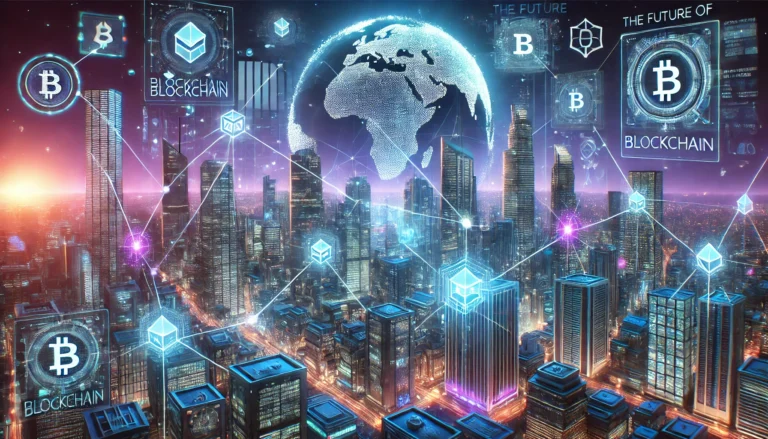
When most people hear the word “blockchain,” their minds instantly jump to Bitcoin, Ethereum, and the rollercoaster of cryptocurrency markets. While digital currencies put this technology on the map, they are just the tip of the iceberg. The reality is that real-world blockchain examples and applications are quietly transforming industries far removed from finance.
At its core, a blockchain is simply a secure, decentralized ledger. It’s a way to record information immutably so that no single person or entity can alter it without the network’s consensus. This simple but profound capability opens the door to countless blockchain use cases that solve long-standing problems of trust, transparency, and efficiency in our daily lives.
1. Supply Chain and Logistics: Tracking the Truth
Have you ever wondered if your “organic” coffee is actually organic, or if your designer handbag is genuine? Supply chains are notoriously complex and opaque, making it easy for fraud and errors to slip through the cracks.

By implementing a blockchain, companies can create an unalterable history of a product’s journey from origin to retail. Every time an item changes hands, a new block is added to the chain. This application proves invaluable in industries like food safety, where identifying the source of a contamination outbreak can instantly shift from a weeks-long investigation to a matter of seconds.
2. Healthcare: Securing Patient Data
Healthcare systems across the world struggle with a fragmented records system. Your medical history is often scattered across different doctors, specialists, and hospitals, housed in incompatible databases. This not only delays treatment but poses severe security risks.

With a medical blockchain, patients can hold the cryptographic keys to their own health records. Doctors and hospitals can request temporary access to this single, unified, and encryption-secured version of the truth, drastically reducing administrative errors, preserving privacy, and accelerating critical care.
3. Real Estate: Frictionless Property Tech
Buying a home is synonymous with mountains of paperwork, title searches, escrow accounts, and countless middlemen pushing papers around. It’s a slow, expensive process.
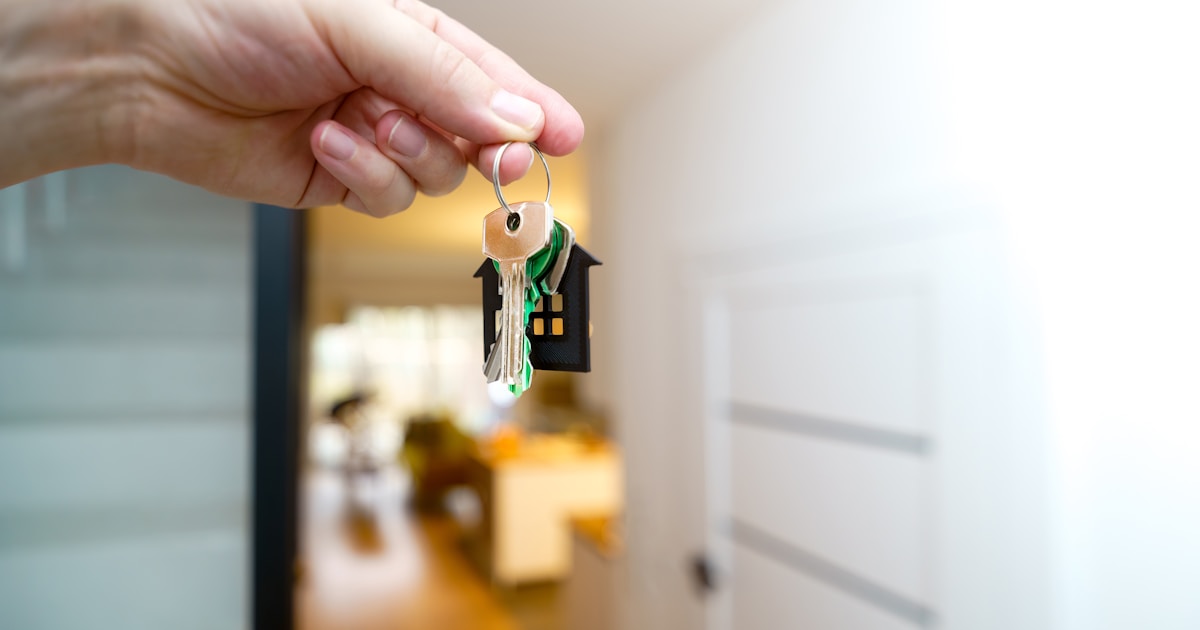
Blockchain streamlines real estate by digitizing titles and deeds. Smart contracts—which are self-executing contracts with the terms of the agreement directly written into code—can instantly transfer funds and ownership rights once conditions are met, eliminating the need for expensive third-party brokers and title companies.
4. Voting Systems: Trusting the Tally
Election security and voter fraud are hot-button issues globally. Current electronic voting systems have vulnerabilities, and paper ballots are prone to physical tampering and slow counting times.
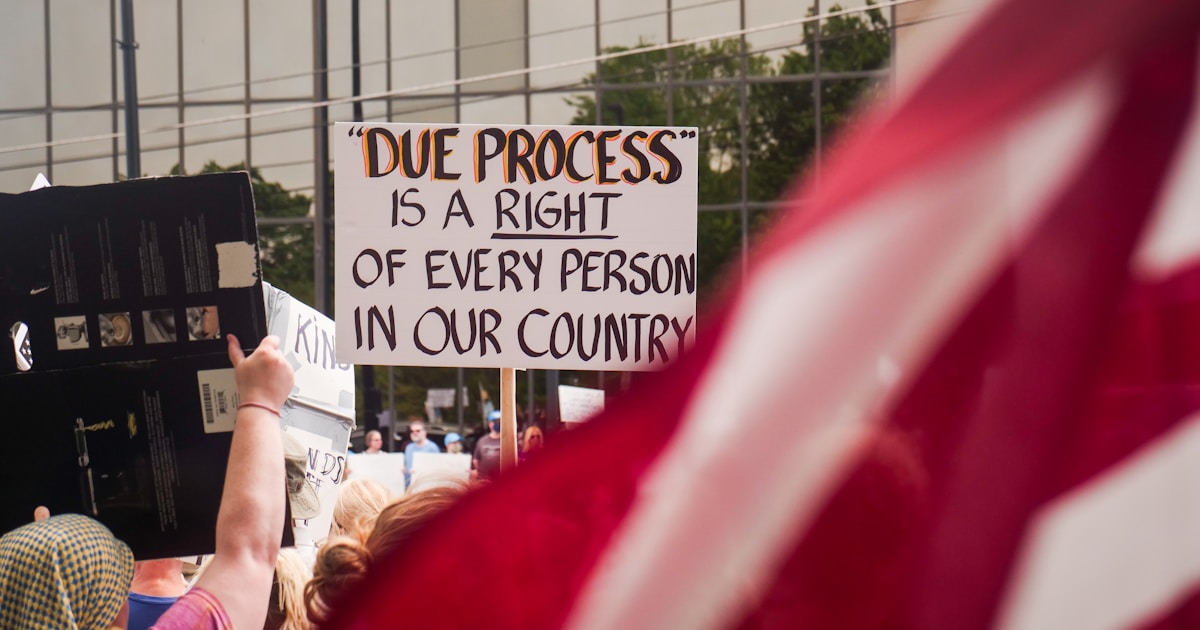
A blockchain-based voting system could allow citizens to cast votes from their smartphones. Each vote is recorded as a permanent, unchangeable block. This would ensure absolute transparency, as anyone could verify the count without compromising voter anonymity, thereby restoring trust in democratic processes.
5. Intellectual Property and Royalties
For musicians, artists, and creators, getting paid fairly and promptly for their work is an ongoing battle. Streaming platforms and agencies often take massive cuts and delay payments for months.
Through blockchain, digital content can be tokenized, explicitly linking the asset to its creator. When a song is streamed or an image is licensed, a smart contract instantly and automatically distributes the agreed-upon royalty directly to the artist’s digital wallet, bypassing greedy middlemen.
Challenges and the Road Forward
While these blockchain applications sound like a panacea, the technology isn’t without its growing pains. Transitioning legacy systems to decentralized networks requires massive capital and coordination. Further, high energy consumption (in certain blockchain models) and regulatory uncertainty remain significant hurdles.
However, as development shifts toward more eco-friendly protocols and governments begin to standardize regulations, the barrier to entry is lowering every day.
Conclusion: A Foundation of Trust
We are moving past the hype phase of blockchain and entering an era of practical implementation. From securing our medical records to verifying the ethical sourcing of our food, the true power of blockchain lies in its ability to establish trust in a trustless digital world. As more industries begin to adopt the technology, the question isn’t if blockchain will change the world, but how quickly.
Frequently Asked Questions
Can blockchain exist without cryptocurrency?
Yes. While cryptocurrencies use blockchain as their underlying infrastructure, the ledger technology itself can be used to track any kind of digital asset or data without a financial token attached.
Is blockchain data completely secure?
While no system is 100% unhackable, blockchain’s use of advanced cryptography and decentralized consensus makes it exponentially more secure against data tampering compared to traditional centralized databases.
How do smart contracts work?
Smart contracts are snippets of code stored on the blockchain that automatically execute when predetermined conditions are met. For example, a flight insurance smart contract might instantly pay out if a flight’s status shows as delayed in the official aviation database.
Why isn’t blockchain used everywhere yet?
The technology is still relatively young. Challenges include integrating it with older “legacy” computer systems, managing energy consumption, navigating a lack of clear legal regulations, and simply educating businesses on its benefits.
Can a blockchain be made private?
Yes. While Bitcoin is a public blockchain where anyone can join and view transactions, corporations often use “private” or “permissioned” blockchains where participation and viewership are strictly controlled.
How does blockchain help artists?
It allows artists to sell their work directly to consumers and use smart contracts to guarantee they receive a royalty percentage every time their work is resold in the secondary market.
What makes blockchain good for supply chains?
It creates an immutable ledger that tracks an item from origin to destination. This eliminates disputes, speeds up customs clearances, and quickly identifies the source of compromised goods (like spoiled food).
Are blockchain and Web3 the same thing?
Not exactly. Blockchain is the underlying technology, while Web3 is a vision for a new, decentralized version of the internet that is built heavily upon blockchain networks.
How does blockchain improve medical records?
It gives patients ownership of their data while providing a unified, secure platform for different healthcare providers to access accurate, up-to-date patient histories without worrying about incompatible hospital software.
Can blockchain prevent election fraud?
Theoretically, yes. By securely linking a citizen’s digital identity to a single, unchangeable digital ballot recorded on a public ledger, it prevents double voting and tampering, though implementation at a national scale remains complex.