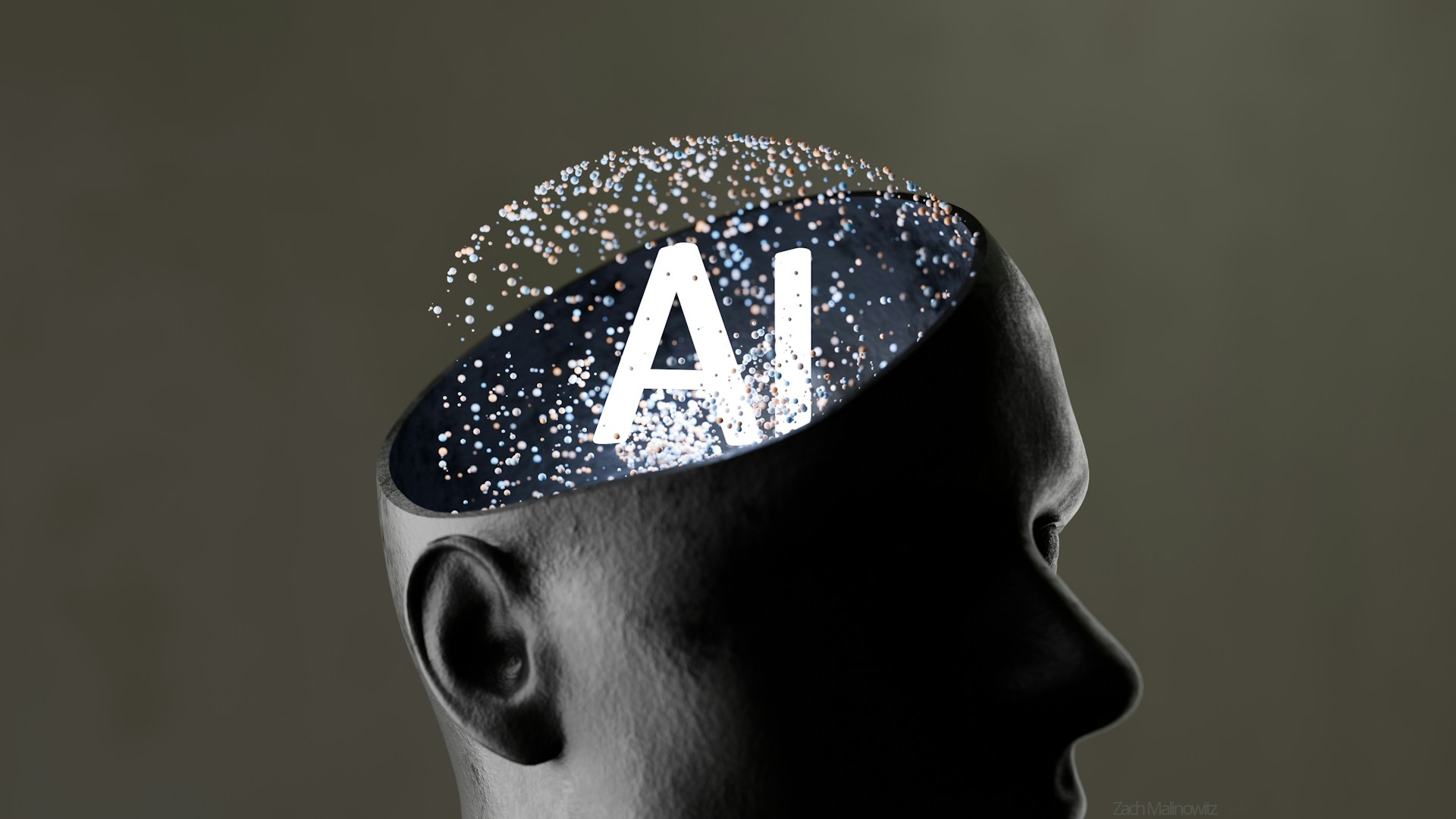
Few questions animate the technology conversation of our era quite like this one: is artificial intelligence a partner to human intelligence, or its rival? The framing of AI as a competitor to humanity has deep roots in science fiction and has been amplified by high-profile warnings from prominent thinkers. But the reality unfolding in workplaces, laboratories, and everyday life is far more nuanced — and far more interesting. This article examines what AI can and cannot do, where human intelligence remains irreplaceable, and why the most productive lens is collaboration rather than competition.
What Makes Human Intelligence Unique
To understand the relationship between AI and human intelligence, we first need to appreciate what makes human cognition genuinely distinctive. Humans are not merely information processors. We are sense-makers. We bring lived experience, embodied intuition, emotional context, and a continuous narrative of identity to every decision we make. We understand metaphor, navigate social nuance, feel empathy, and make moral judgements that integrate values with facts in ways that resist algorithmic reduction.

Human intelligence is also remarkable for its generalisability. A child who learns to ride a bicycle does not need to relearn balance from scratch when they try skateboarding. A manager who excels in one industry can transfer their leadership skills to a completely different sector. This ability to apply learning across wildly different domains — what researchers call general intelligence — remains one of the defining characteristics of human cognition and one of the greatest unsolved challenges in AI research.
What AI Does Better Than Humans
Intellectual honesty requires acknowledging that AI already surpasses human performance in a significant and growing range of tasks. This is not a reason for alarm — but it is a reason for clear-eyed realism.
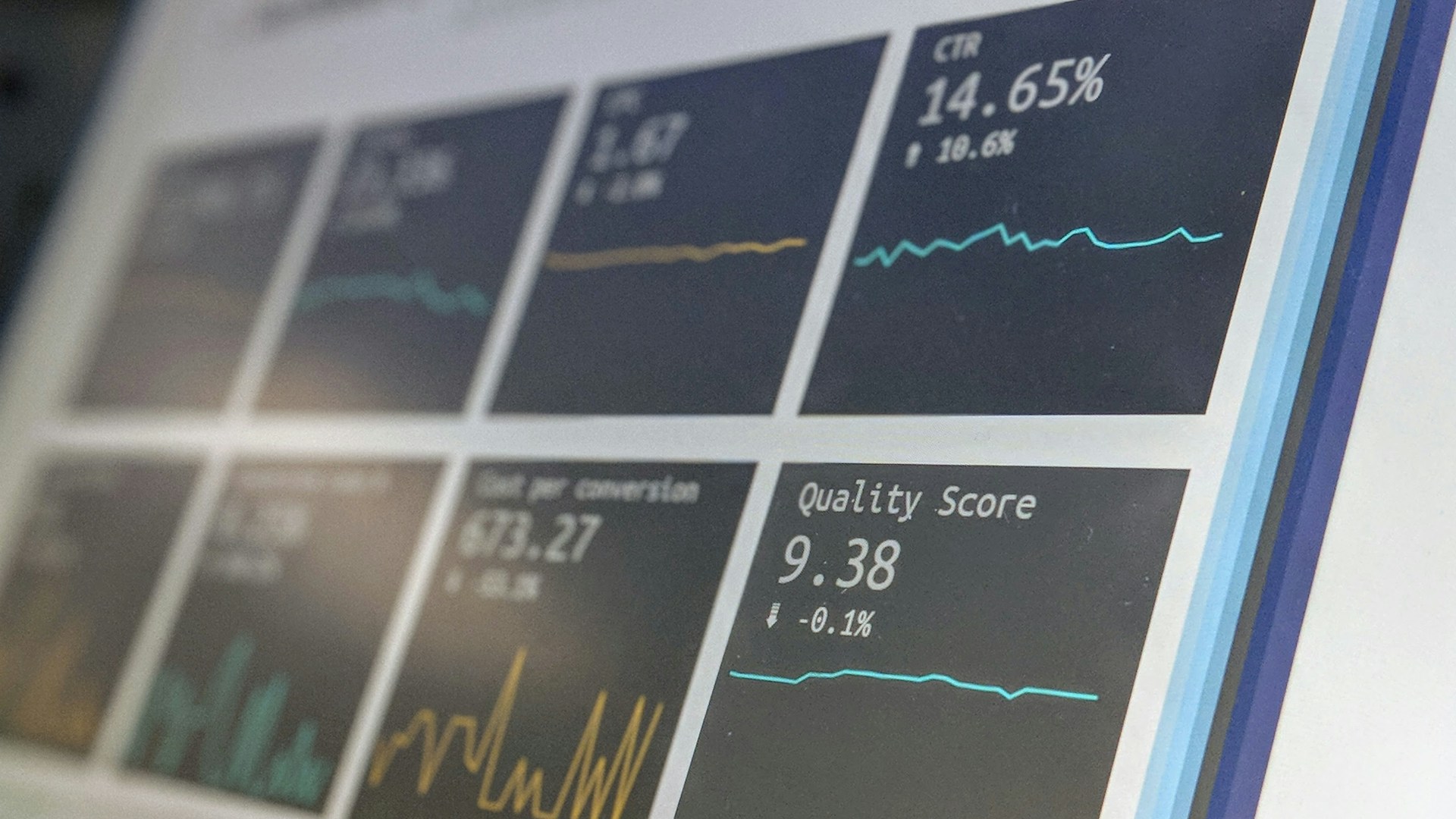
AI systems excel at processing and synthesising vast quantities of structured data at speeds no human can match. A diagnostic AI can review tens of thousands of medical images and identify patterns associated with early-stage cancer with greater accuracy than experienced radiologists. A financial AI can monitor millions of transactions in real time and flag anomalies that would take a human analyst days to find. A language model can read and summarise an entire legal document in seconds.
AI also does not get tired, distracted, or emotionally overwhelmed. It does not have bad days. In high-volume, high-precision tasks where consistency is paramount — quality control in manufacturing, real-time network monitoring, fraud detection — AI’s reliability is a meaningful advantage over human performance.
Where Human Intelligence Still Wins
Despite these impressive capabilities, there are domains where human intelligence maintains a decisive and durable advantage.
Contextual and common-sense reasoning. AI systems can fail spectacularly on problems that require understanding the physical world, social context, or common sense in ways that are obvious to any adult human. Large language models, for all their fluency, can produce confident nonsense when pushed beyond their training distribution. They lack the grounding in physical reality that humans develop through embodied experience from infancy.
Creativity and originality. AI can generate impressive outputs that resemble human creativity — paintings, music, poetry, code. But genuine creative breakthroughs typically involve more than recombining existing patterns. They involve asking questions no one has thought to ask, challenging foundational assumptions, and making intuitive leaps that emerge from a deep, personal engagement with a problem. The greatest works of human art, science, and philosophy arise from this kind of radical originality — which AI has not demonstrated.
Ethical reasoning and moral accountability. Decisions with significant ethical stakes — medical treatment choices, criminal sentencing, policy-making, conflict resolution — require not just analysis but moral judgement, compassion, and accountability. AI systems can inform these decisions, but cannot and should not make them autonomously. Accountability requires a moral agent — a person who can be held responsible for outcomes and who can internalise and act on values, not just optimise for metrics.

Interpersonal connection and trust. Leadership, therapy, negotiation, teaching, and caregiving all depend on genuine human connection. People open up to therapists, follow leaders, and trust mentors because of qualities that go beyond information exchange — authenticity, vulnerability, shared humanity. AI can simulate these qualities superficially, but cannot possess them.
The Collaboration Imperative
The most exciting and productive territory is not where AI and humans compete, but where they complement each other. Research consistently shows that human-AI teams outperform either humans or AI working alone on many complex tasks. This is known as centaur intelligence — a concept borrowed from chess, where human-computer pairs have consistently beaten both the best human grandmasters and the most powerful chess engines working independently.
In medicine, AI assists radiologists by flagging suspicious regions for closer examination — the AI handles volume and pattern recognition, the physician applies clinical judgement and communicates with the patient. In law, AI reviews contracts and surfaces relevant precedents — the lawyer applies strategic thinking and advocacy. In software development, AI generates boilerplate and suggests solutions — the engineer evaluates, adapts, and architects. In each case, the combination produces outcomes neither could achieve alone.
Designing for effective human-AI collaboration is fast becoming one of the most important challenges in technology. It requires not just building better AI, but building better interfaces, workflows, and organisational structures that allow humans and AI to contribute what each does best.

The Risks of Getting This Wrong
The collaboration framing is not merely optimistic rhetoric — it reflects a genuine risk calculus. When organisations deploy AI without thoughtful human oversight, the consequences can be serious. Algorithmic bias in hiring, lending, and criminal justice has produced demonstrably unfair outcomes. Over-reliance on AI recommendations in healthcare has led to errors that human judgement would have caught. Automated systems in financial markets have triggered flash crashes that no single human authorised.
Getting the human-AI relationship right means maintaining meaningful human oversight in high-stakes decisions, being transparent about when and how AI is being used, and investing in the human skills — critical thinking, ethical reasoning, domain expertise — that allow people to evaluate AI outputs intelligently rather than accepting them uncritically.
Conclusion
The competition framing of AI versus human intelligence is not just intellectually misleading — it is strategically counterproductive. It leads organisations to deploy AI in ways that undermine human expertise rather than amplifying it, and it leads individuals to feel threatened by tools that could make them more capable. The more useful question is not “will AI replace humans?” but “how do we design systems, institutions, and careers that leverage the best of both?”
The future belongs to those who can work effectively with AI — directing it, evaluating it, and applying human judgement where it matters most. That is not a diminished role for human intelligence. It is arguably the most important role it has ever played. Subscribe to the PetaFusion newsletter for weekly insights on AI, the future of work, and the ideas shaping our technological era.
Frequently Asked Questions
1. Is AI smarter than humans?
AI outperforms humans in specific, well-defined tasks such as pattern recognition, data processing, and game-playing. However, humans retain decisive advantages in general reasoning, creativity, empathy, and contextual judgement. Neither is universally “smarter” — they excel in different domains.
2. Can AI replace human creativity?
AI can generate impressive creative outputs by recombining patterns in its training data. However, genuine creative breakthroughs — which involve asking new questions, challenging assumptions, and expressing authentic human experience — remain a distinctively human capacity.
3. What is general intelligence in AI?
Artificial General Intelligence (AGI) refers to AI that can perform any intellectual task a human can, with the same flexibility and adaptability. Current AI systems are narrow — highly capable within specific domains but unable to generalise across wildly different tasks the way humans can. AGI does not yet exist.
4. What is centaur intelligence?
Centaur intelligence refers to human-AI collaboration teams that outperform either humans or AI working alone. The term originates from chess, where human-computer pairs have beaten both top human players and the strongest AI engines working independently.
5. Where does human intelligence have an advantage over AI?
Humans have clear advantages in common-sense reasoning, embodied understanding of the physical world, genuine creativity, moral judgement, emotional intelligence, and interpersonal connection — capabilities that current AI systems simulate but do not truly possess.
6. Will AI ever achieve consciousness?
This remains one of the deepest unsolved questions in science and philosophy. Current AI systems process information in ways that produce remarkably human-like outputs, but there is no scientific consensus on whether they are or could become conscious in any meaningful sense.
7. What is algorithmic bias?
Algorithmic bias occurs when an AI system produces systematically unfair outcomes due to biases in its training data or design. It has been documented in hiring algorithms, credit scoring, facial recognition, and criminal justice tools, often producing outcomes that disadvantage already marginalised groups.
8. How should organisations balance AI and human decision-making?
Organisations should use AI to inform and augment human decisions rather than replace them in high-stakes contexts. Maintaining meaningful human oversight, being transparent about AI use, and investing in human skills that allow people to evaluate AI outputs critically are essential practices.
9. What jobs are most resilient to AI automation?
Roles requiring empathy, complex interpersonal interaction, ethical reasoning, physical dexterity in unpredictable environments, and highly creative original thinking are among the most resilient. These include therapists, nurses, skilled tradespeople, strategic leaders, and original researchers.
10. How can individuals prepare for a world with advanced AI?
Developing AI literacy, strengthening uniquely human skills like critical thinking and communication, learning to work effectively with AI tools, and staying curious and adaptable are the most reliable strategies for thriving as AI becomes more capable and pervasive.