When we hear the word blockchain, the first thought is often cryptocurrencies like Bitcoin. However, the true potential of blockchain extends far beyond digital finance. One of the most transformative applications of this technology is blockchain in supply chain management, a sector historically plagued by inefficiencies, opacity, and fragmentation.
In today’s globalized economy, managing a supply chain involves coordinating a complex web of suppliers, manufacturers, distributors, and retailers. With such intricacies, ensuring transparency, security, and traceability can be a logistical nightmare. This is where blockchain steps in, offering a transparent, decentralized ledger that redefines how goods are tracked from origin to consumer.
The Fundamentals of Logistics Blockchain

At its core, a logistics blockchain functions as an unalterable, distributed ledger. Instead of a single central authority maintaining records, every participant in the network has access to an identical, real-time copy of the data. Whenever a transaction or movement occurs—such as a container leaving a port or a raw material being processed—it is recorded as a “block” of data. These blocks form a chronological, tamper-proof chain.
Why does this matter for supply chain management?
- Immutability: Once data is entered, it cannot be altered or deleted.
- Decentralization: Removes single points of failure and prevents data silos.
- Real-time Access: All stakeholders operate from a unified source of truth.
Core Benefits: Why Traceability Blockchain is Gaining Ground

Complete End-to-End Transparency
One of the biggest hurdles in modern supply lines is the “black box” effect—knowing where a product came from but losing sight of it during transit. A traceability blockchain eliminates this by offering an exact, verifiable history of every item.
Enhanced Efficiency and Cost Reduction
Traditional logistics relies heavily on manual paperwork, slow reconciliation processes, and third-party intermediaries. By using “smart contracts”—automated, self-executing agreements coded directly into the blockchain—companies can automatically trigger payments, customs clearances, or compliance checks the moment conditions are met, vastly speeding up the supply chain.
Fraud Prevention and Security
Counterfeit goods cost the global economy billions annually. Because blockchain records are immutable and cryptographically secured, bad actors cannot retroactively change shipping logs or forge certificates of authenticity.
Real-World Use Cases and Applications
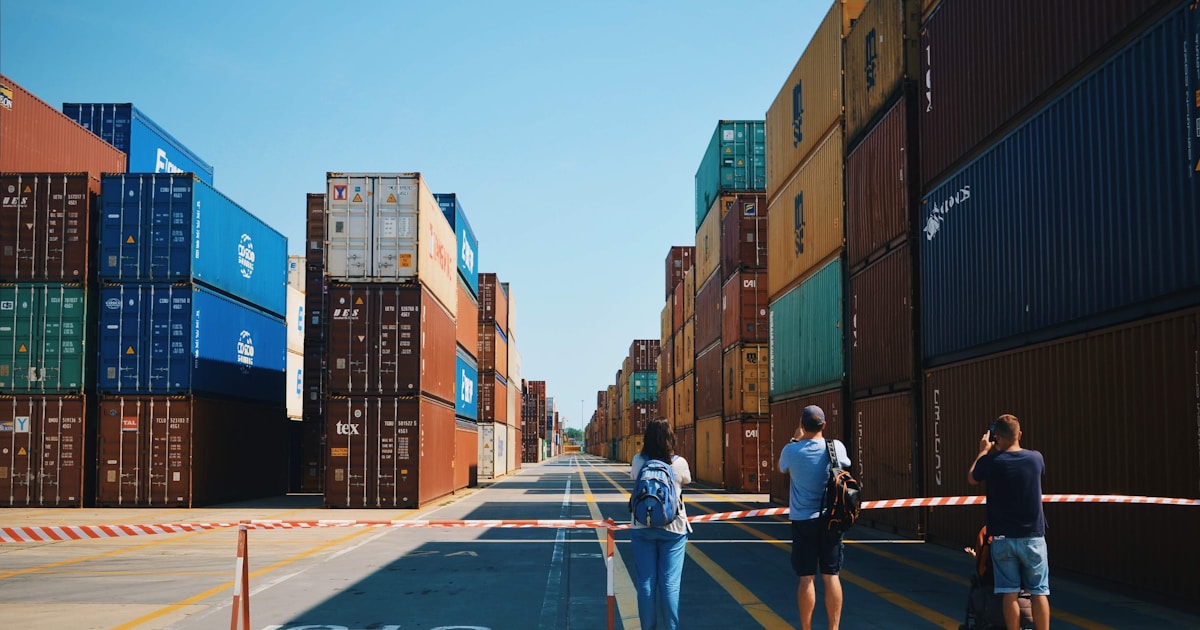
Here are a few ways industries are currently deploying blockchain:
- Food and Agriculture: Tracking produce from the farm to the grocery shelf. For instance, IBM’s Food Trust network allows retailers to trace the exact origin of a contaminated batch of food in seconds, significantly reducing the impact of recalls.
- Pharmaceuticals: Counterfeit drugs can be deadly. Using blockchain, pharmaceutical companies can ensure temperature-sensitive drugs (like vaccines) maintain their integrity and verify the authenticity of medications.
- Luxury Goods: Brands track the provenance of high-end items, like diamonds and designer bags, ensuring customers receive genuine products and verifying ethical sourcing.
Step-by-Step Explanation: How a Supply Chain Blockchain Works
Let’s map out the journey of a product (e.g., organic coffee beans) using blockchain technology.
- Origin Registration: The farmer harvests the beans and registers the batch on the blockchain via a mobile app, attaching data like date, location, and organic certification.
- Transit Tracking: As the batch moves to a local distributor, a barcode or RFID scan updates the blockchain ledger, confirming the transfer of custody.
- International Shipping: The container boards a ship. IoT sensors inside the container monitor temperature and humidity, continuously feeding this data into the blockchain.
- Customs & Compliance: Upon arrival, smart contracts automatically verify the origin and temperature history, instantly clearing customs without manual paperwork.
- Retail & Consumer: The coffee arrives at the store. A consumer scans a QR code on the packaging to view the entire verifiable timeline, from farm to cup.
Challenges on the Road to Adoption
While the merits are clear, the transition to blockchain in supply chain isn’t without hurdles:
- Interoperability: Different companies use different legacy systems and blockchain platforms, making integration difficult.
- Data Accuracy at Entry: Blockchain verifies the data entered, but if fraudulent data is entered at the very first step (the “garbage in, garbage out” problem), the blockchain will immutably record a lie.
- High Implementation Costs: Setting up the infrastructure and educating stakeholders requires a significant upfront investment.
Conclusion
The integration of blockchain in supply chain management is not just a technological upgrade; it is a fundamental shift in how global commerce operates. By establishing unprecedented transparency, automating workflows through smart contracts, and securing data with cryptography, businesses can build resilient, efficient, and trustworthy supply lines.
As standardizations improve and implementation costs fall, we can expect logistics blockchain solutions to become not merely a competitive advantage, but a foundational requirement for global trade.
Frequently Asked Questions
What is a traceability blockchain?
It is a type of blockchain specifically designed to record and verify the movement, custody, and condition of a product throughout its lifecycle, offering complete transparency.
How does blockchain reduce supply chain costs?
By eliminating intermediaries, automating manual compliance checks and payments via smart contracts, and reducing paperwork and manual errors.
Can blockchain data be altered?
No, once verified and added to the network, the data is immutable and practically impossible to alter without consensus across the network.
Is blockchain only for large logistics companies?
While initial adoption has been led by enterprises, an increasing number of platforms are providing accessible, cloud-based blockchain solutions for small and medium businesses.
How are smart contracts used in this context?
Smart contracts automatically execute predetermined actions—such as releasing payments or issuing certifications—once specific, verifiable conditions (like GPS delivery confirmation) are met.
What prevents someone from entering fake data onto the blockchain?
Blockchain itself cannot verify physical truth, only digital entries. This is mitigated through stringent auditing at the origin and integrating IoT sensors that automate data entry without human interference.
How does blockchain trace food products?
Each step—from harvesting, processing, transit, to retail—is recorded with timestamps, locations, and sensor data. If contamination occurs, the exact batch can be traced back to the farm in seconds.
What is the difference between a public and private blockchain for supply chain?
Public blockchains are open to anyone, whereas private (or permissioned) blockchains restrict access to known stakeholders, offering better privacy and faster transaction speeds which is often preferred for enterprise logistics.
Does blockchain replace traditional ERP systems?
No, blockchain generally complements ERP systems by acting as a shared, trusted layer of data between different companies’ individual ERPs.
How does IoT integrate with a logistics blockchain?
IoT devices like RFID tags and GPS sensors automatically generate location, temperature, and status updates and write them directly to the blockchain, drastically reducing human error.