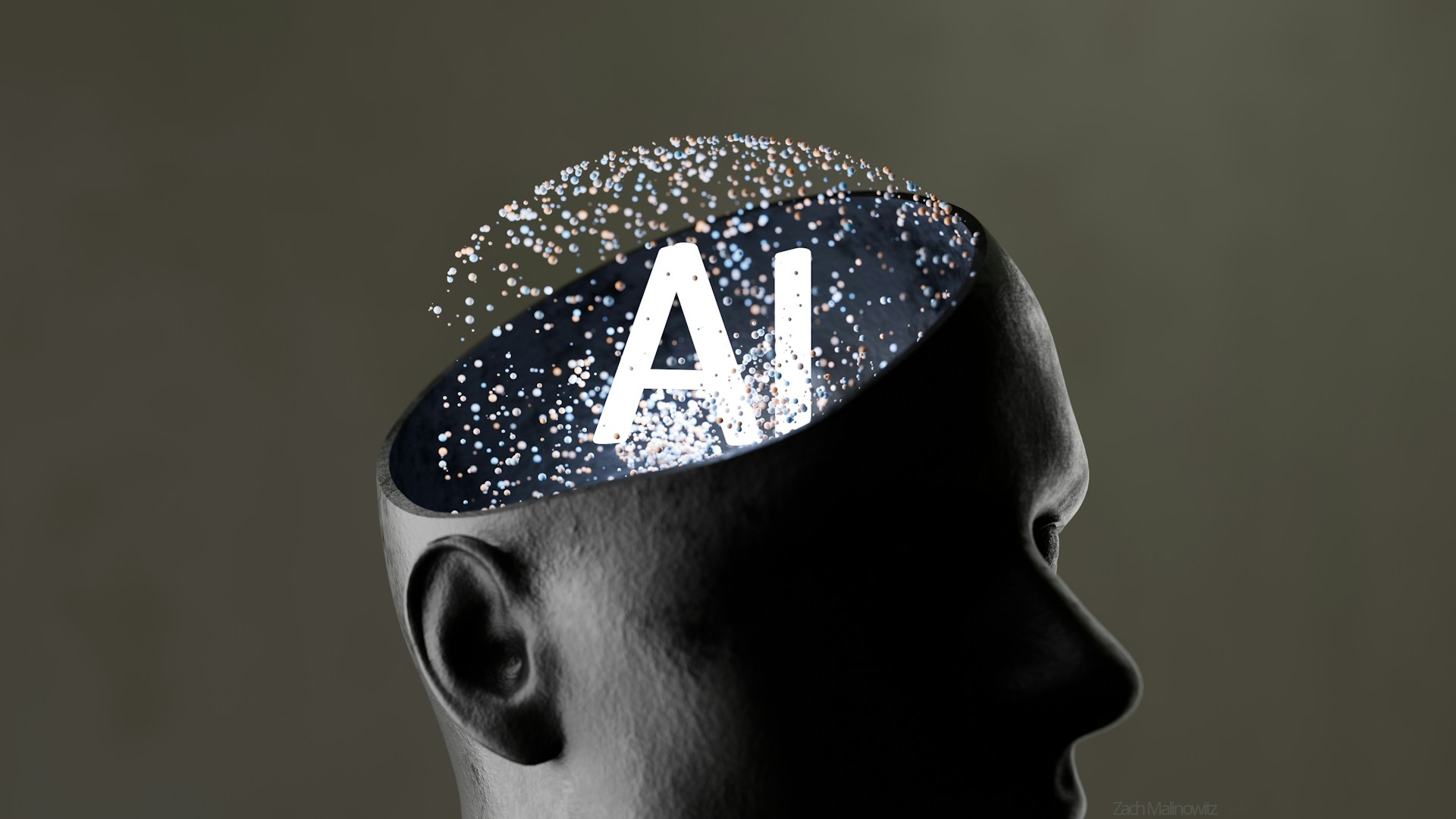
The AI in IT industry story of 2026 is not the speculative narrative of a decade ago. Artificial intelligence has moved decisively from pilot projects and proof-of-concept demonstrations into the operational core of how IT departments function, how software gets built, and how infrastructure gets managed. For IT professionals, business leaders, and technology strategists, understanding this transformation is no longer optional — it is a professional imperative.
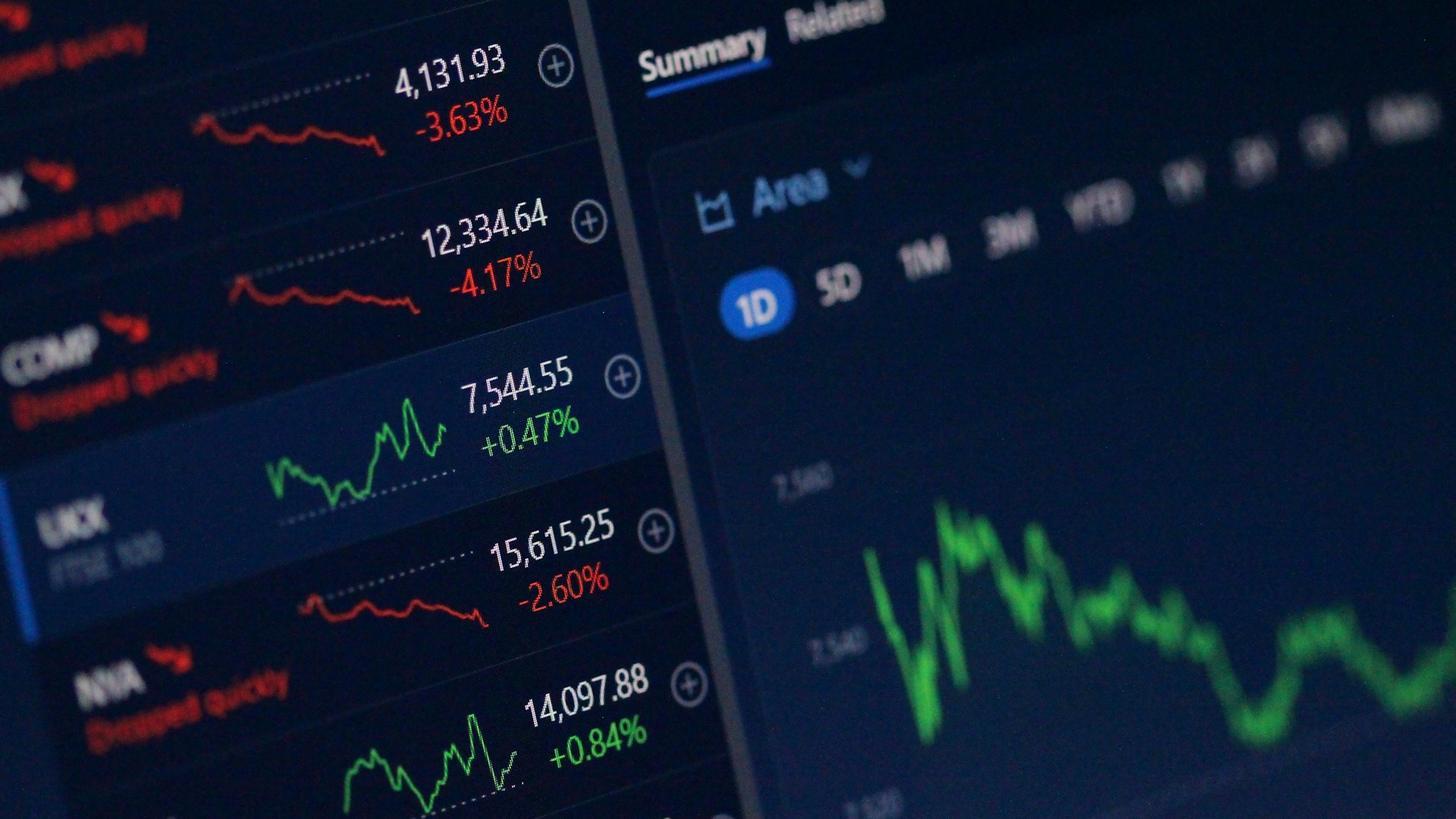
According to IDC, global AI spending is projected to exceed $500 billion in 2024 and continue growing at a CAGR of over 26% through 2027. In the IT sector specifically, AI is not simply another tool in the stack; it is reshaping the stack itself. From automated code generation to self-healing infrastructure, the scope of change is comprehensive and accelerating.
AI as a Helpinghand in Software Development
Code Generation and Intelligent Development Environments
The most visible transformation in IT has occurred in software development. AI coding assistants — including GitHub Copilot, Amazon CodeWhisperer, and a new generation of specialised tools — now handle a significant portion of routine code generation. In 2026, senior developers report spending considerably less time on boilerplate code and considerably more time on architecture, design decisions, and business logic.

These tools do more than autocomplete. They understand context across entire codebases, suggest architectural patterns, identify security vulnerabilities in real time, and generate unit tests automatically. The developer’s role has shifted from writing every line to reviewing, guiding, and quality-assuring AI-generated output — a fundamental change in the nature of the profession.
Automated Code Review and Quality Assurance
AI-driven code review tools now analyse pull requests for bugs, security issues, performance bottlenecks, and adherence to coding standards — in seconds rather than the hours a manual review might require. Systems like DeepCode and Snyk’s AI engine catch vulnerability patterns that human reviewers frequently miss, particularly in complex dependency chains and edge cases under load.
In quality assurance, AI has largely automated regression testing. Test generation tools analyse application behaviour, generate comprehensive test suites, and self-update as code changes — dramatically reducing the QA bottleneck that has historically slowed release cycles.
Intelligent IT Operations (AIOps)
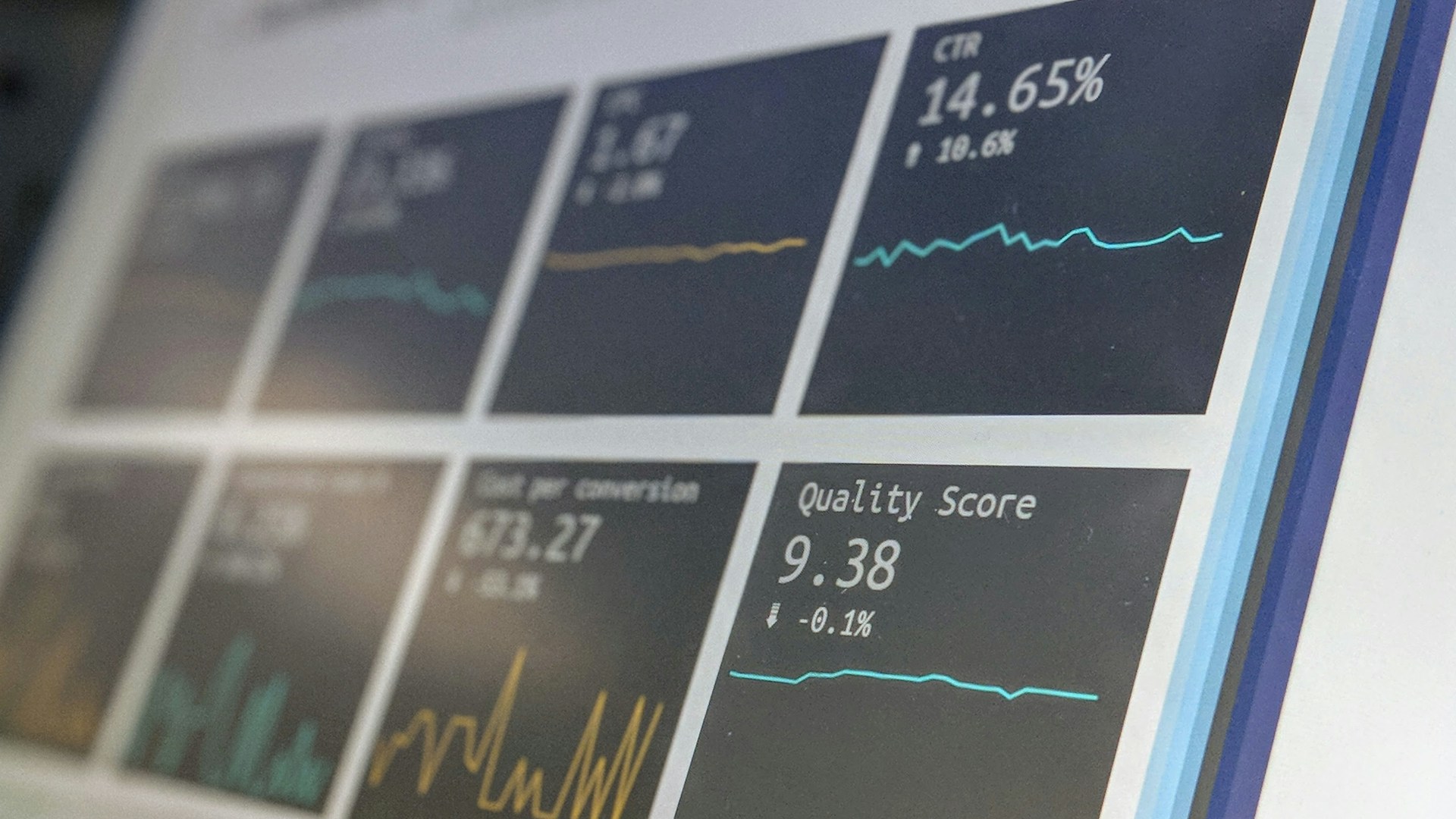
Perhaps the most operationally significant AI impact on IT jobs is in the domain of IT operations. AIOps — artificial intelligence applied to IT operations management — uses machine learning to analyse the enormous volumes of data generated by modern IT infrastructure: logs, metrics, traces, events, and alerts.
In 2026, leading AIOps platforms can detect anomalies before they become incidents, correlate events across disparate systems to identify root causes in minutes rather than hours, and in many cases automatically remediate issues without human intervention. The mean time to resolution (MTTR) for IT incidents has fallen dramatically in organisations that have adopted mature AIOps platforms.
Self-healing infrastructure — systems that detect their own degradation and automatically apply fixes, scale resources, or reroute traffic — represents the logical endpoint of this trend. What previously required an on-call engineer responding at 3 AM now resolves itself, with the engineer reviewing a log entry the following morning.
AI in Cybersecurity Operations
The cybersecurity function within IT has been transformed by AI on both sides of the equation: attackers use AI to craft more sophisticated attacks; defenders use AI to detect and respond faster than any human team could.
Security information and event management (SIEM) systems powered by AI can process millions of security events per second, correlate patterns across global threat intelligence feeds, and flag genuine threats while dramatically reducing false positive rates that have historically overwhelmed security operations centres. Behavioural analytics tools establish baselines of normal user and system activity, then flag deviations that indicate compromised accounts or insider threats — catching attacks that signature-based systems would miss entirely.
In 2026, AI-driven threat detection has become table stakes for enterprise security teams. The question is no longer whether to use AI in cybersecurity, but how mature and well-integrated the AI layer is.
Cloud Infrastructure and AI-Driven Resource Management
Cloud infrastructure management has been fundamentally reshaped by AI-powered optimisation. Platforms now use machine learning to predict workload patterns, pre-scale resources before demand spikes occur, and continuously optimise resource allocation to minimise cost without compromising performance.
FinOps — the practice of financial accountability for cloud spending — has been transformed by AI tools that identify wasted resources, recommend rightsizing, and flag anomalous spend in real time. Organisations with mature AI-driven cloud management report cloud cost reductions of 20–40% compared to manually managed environments.
Kubernetes management, network configuration, and database tuning have all seen AI-driven automation reduce the operational burden on IT teams while improving consistency and reliability. Infrastructure as Code (IaC) tools now include AI assistants that generate configuration files from natural language descriptions, validate them for security and compliance, and flag drift between intended and actual state.
Real-World Applications Across IT Functions
IT service management: AI-powered virtual agents handle Tier 1 support tickets autonomously — password resets, access requests, common troubleshooting — resolving up to 40% of tickets without human involvement and dramatically reducing resolution times for the remainder through intelligent routing and context-gathering.
Data management and governance: AI tools automatically classify sensitive data, detect compliance violations, and generate data lineage maps across complex multi-cloud environments — tasks that previously required large data governance teams and months of manual cataloguing.
Network management: AI-driven network management platforms detect performance degradation, predict hardware failures before they occur, and automatically optimise routing — reducing network incidents and the skilled engineering time required to manage complex distributed networks.
IT procurement and vendor management: AI tools analyse usage patterns, contract terms, and market pricing to recommend procurement decisions, identify underutilised licences, and flag vendor risks — generating significant cost savings with minimal manual effort.
Benefits and Challenges of AI Adoption in IT
The benefits of AI in IT are substantial and well-documented: faster incident resolution, reduced operational costs, improved software quality, stronger security posture, and the ability to manage increasingly complex infrastructure with existing headcount. For IT leaders, AI adoption is now a competitive necessity rather than a strategic option.
However, the challenges are real and should not be underestimated. AI systems require high-quality data to function effectively — organisations with fragmented, inconsistent, or poorly governed data find AI adoption significantly harder. Integration with legacy systems remains a substantial challenge; many enterprises operate on infrastructure that predates modern APIs and data standards.
Skills gaps are perhaps the most pressing challenge. The IT workforce needs to develop proficiency not just in using AI tools but in evaluating their outputs critically, understanding their limitations, and knowing when human judgment must override automated recommendations. Managing AI systems responsibly — including monitoring for model drift, bias, and unexpected behaviour in production — requires new disciplines that most IT teams are still developing.
Frequently Asked Questions
How is AI transforming the IT industry?
AI is transforming IT across every function: automating software development with code generation tools, managing infrastructure with AIOps platforms, strengthening cybersecurity with real-time threat detection, optimising cloud spending, and handling Tier 1 support autonomously. The net effect is faster, more reliable, and more cost-effective IT operations.
Will AI replace IT jobs?
AI is eliminating certain routine tasks rather than entire roles. Jobs focused on repetitive, rule-based work — basic scripting, manual testing, Tier 1 helpdesk — are shrinking. Meanwhile, roles requiring judgment, creativity, and oversight of AI systems are growing. The IT professionals most at risk are those who do not adapt; those who develop AI literacy are seeing expanded scope and higher compensation.
What is AIOps?
AIOps (Artificial Intelligence for IT Operations) refers to platforms that apply machine learning to IT operations data — logs, metrics, alerts, and events — to detect anomalies, correlate incidents, predict failures, and automate remediation. AIOps reduces mean time to resolution and the operational burden on IT teams managing complex infrastructure.
How is AI used in cybersecurity?
AI is used in cybersecurity for real-time threat detection, behavioural anomaly analysis, automated incident response, vulnerability prioritisation, and reducing false positive rates in security alerts. AI enables security teams to process volumes of threat data that no human team could handle manually.
What AI tools are most important for IT professionals in 2026?
The most impactful AI tools for IT professionals include AI coding assistants (GitHub Copilot, Amazon Q), AIOps platforms (Dynatrace, Datadog, Splunk AI), AI-driven security tools (CrowdStrike, Darktrace), cloud optimisation platforms (CloudHealth, Spot.io), and AI-powered ITSM tools (ServiceNow AI, Freshservice AI).
How does AI improve software development?
AI improves software development by generating code from natural language descriptions, suggesting fixes for bugs and vulnerabilities in real time, automating test generation and regression testing, accelerating code review, and helping developers navigate large codebases more efficiently. The result is faster development cycles with higher code quality.
What skills do IT professionals need to work with AI?
IT professionals need to develop prompt engineering skills for working with AI tools effectively, the ability to critically evaluate AI-generated outputs, understanding of model limitations and failure modes, data literacy to assess training data quality, and knowledge of AI governance and responsible AI principles. Traditional IT skills remain valuable but must be augmented with AI fluency.
What are the risks of using AI in IT operations?
Key risks include over-reliance on AI recommendations without adequate human oversight, model drift where AI performance degrades as data patterns change, security risks if AI systems themselves are compromised, integration challenges with legacy infrastructure, and the risk of bias in AI-driven decision-making. Robust monitoring, governance frameworks, and human oversight remain essential.
How is AI changing cloud management?
AI is transforming cloud management through automated resource scaling based on predicted demand, continuous cost optimisation that reduces waste, anomaly detection for performance and security issues, AI-assisted Infrastructure as Code generation, and intelligent FinOps tools that provide unprecedented visibility into cloud spending.
What is the future of AI in the IT industry?
The future includes fully autonomous IT operations where AI handles routine infrastructure management end-to-end, AI-native software development where human developers focus entirely on high-level design and review, deeper integration of AI into every IT tool and platform, and the emergence of AI governance as a specialised discipline within IT organisations.
Conclusion
The AI automation in IT transformation of 2026 is not a future possibility — it is the current reality for every organisation that takes its technology capabilities seriously. The IT industry has always been defined by its capacity to absorb and leverage new technologies; AI is simply the most consequential technology it has faced in a generation.
For IT professionals, the message is clear: those who embrace AI tools, develop the skills to work alongside them effectively, and take responsibility for their governance will find their roles expanding rather than contracting. The professionals who treat AI as a threat rather than an amplifier of their capabilities are the ones most at risk.
The organisations that invest in AI-augmented IT now — thoughtfully, with proper governance and skills development — are building competitive advantages that will compound over time. The window for strategic advantage is still open. It will not remain open indefinitely.
The intersection of artificial intelligence and information technology is moving fast. If you want sharp, practical intelligence on AI tools, IT strategy, and the technologies redefining how organisations operate, subscribe to the Petafusion newsletter. Weekly insights, no noise — trusted by thousands of IT and technology professionals who need to stay ahead.