Healthcare has always been a field where the stakes of getting things right are as high as they can be. A missed diagnosis, a delayed treatment decision, or a medication error can cost a life. For decades, the limiting factors in healthcare quality have been human — the cognitive load on clinicians, the volume of patients, the scarcity of specialists in underserved regions, and the sheer complexity of medical knowledge that no single person can fully command. Artificial intelligence is beginning to address each of these limitations in ways that were unimaginable just a decade ago. This article explores how AI is reshaping healthcare — from the radiology suite to the patient’s bedside — and what it means for the future of medicine.
AI-Powered Diagnostics: Seeing What Humans Miss
Medical imaging is one of the areas where AI has demonstrated the most dramatic and well-validated impact. Deep learning models trained on hundreds of thousands of annotated medical images have achieved diagnostic accuracy in radiology, pathology, and dermatology that matches or exceeds experienced specialists in controlled studies.
Google’s DeepMind developed an AI system capable of detecting over 50 different eye diseases from retinal scans with a level of accuracy comparable to world-leading ophthalmologists. In oncology, AI systems like Paige.AI analyse pathology slides to identify cancerous tissue with greater consistency than human pathologists, reducing both false positives and false negatives. In breast cancer screening, AI-assisted mammography has been shown to detect cancers that human radiologists missed, while simultaneously reducing the rate of unnecessary follow-up procedures.
The implications for global health equity are profound. Specialist radiologists and pathologists are concentrated in wealthy urban centres. AI diagnostic tools can be deployed in rural clinics and low-resource settings, giving patients access to specialist-level screening regardless of geography.
Drug Discovery and Development Accelerated by AI
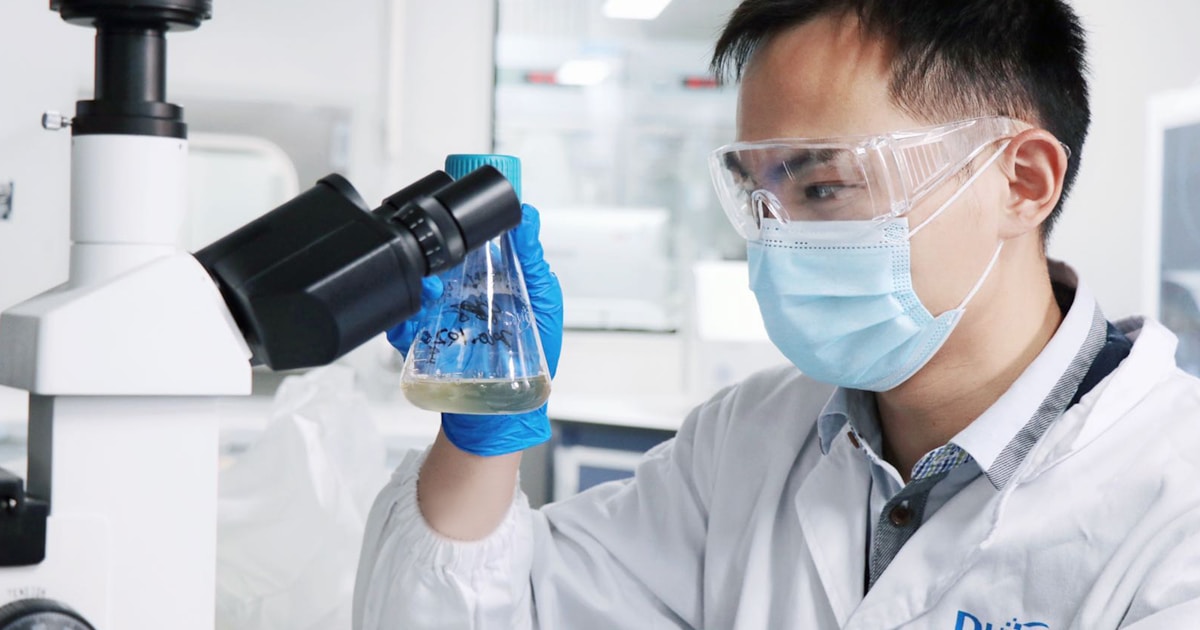
Developing a new drug has traditionally taken 10 to 15 years and cost upwards of $2 billion, with a failure rate exceeding 90% in clinical trials. AI is beginning to compress this timeline dramatically by transforming how candidate molecules are identified, screened, and optimised.
Companies like Insilico Medicine, Recursion Pharmaceuticals, and DeepMind’s Isomorphic Labs are using generative AI and deep learning to design novel molecules with desired properties, predict how they will interact with biological targets, and identify which compounds are most likely to succeed in trials. DeepMind’s AlphaFold — which accurately predicts the three-dimensional structure of proteins from their amino acid sequences — has been described as one of the greatest scientific achievements of the past decade, unlocking new avenues for drug discovery across virtually every disease area.
In 2023, Insilico Medicine became one of the first companies to advance an AI-designed drug candidate into Phase II clinical trials, a milestone that signals a new era in pharmaceutical research. The potential to reduce drug development costs and timelines could translate into faster access to treatments for patients with serious and rare diseases.
Personalised Medicine: Treatment Tailored to the Individual
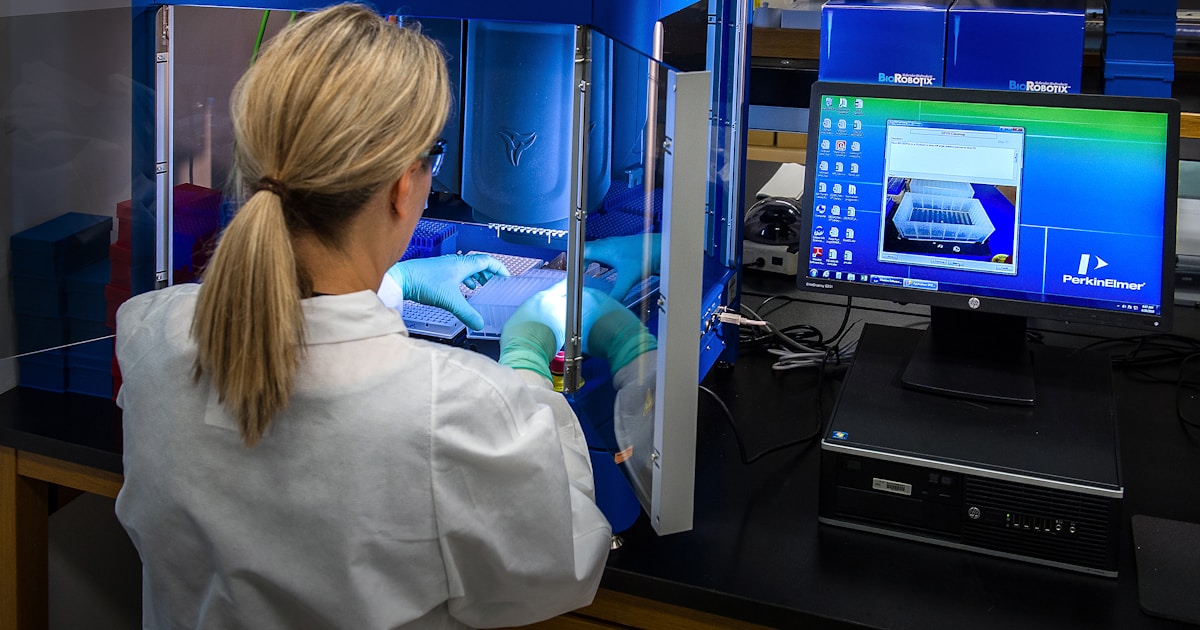
One of the most transformative promises of AI in healthcare is the shift from population-based to truly personalised medicine. Today’s treatment protocols are largely designed for the average patient — they work well for many people but suboptimally for many others. AI makes it possible to integrate genomic data, medical history, lifestyle factors, biomarkers, and real-world evidence to predict how a specific individual will respond to a specific treatment.
In oncology, AI-driven tumour profiling analyses the genetic mutations in a patient’s cancer cells to identify which targeted therapies are most likely to be effective, sparing patients from the side effects of treatments that are unlikely to work. In cardiology, AI models can predict an individual’s risk of a heart attack over the next ten years with greater accuracy than traditional risk scores, enabling earlier and more targeted preventive interventions.
Wearable devices and continuous health monitoring are generating vast streams of real-time physiological data that AI can analyse to detect early warning signs of deterioration — in some cases identifying risk days before symptoms become apparent. For patients with chronic conditions like diabetes, heart failure, or epilepsy, this continuous monitoring can be life-saving.
AI in Clinical Decision Support

Even without replacing clinicians, AI is becoming an invaluable decision-support tool at the point of care. Clinical decision support systems powered by AI can analyse a patient’s records, cross-reference current clinical guidelines, flag potential drug interactions, and surface relevant research — all in real time, while a physician is making a treatment decision.
These systems reduce the cognitive burden on clinicians who are managing increasingly complex patient populations under intense time pressure. Studies have shown that AI-assisted clinical decision support reduces diagnostic errors, improves guideline adherence, and catches medication errors before they reach patients. In intensive care, AI-powered early warning systems have been shown to reduce mortality by identifying patients at risk of sepsis or cardiac arrest hours earlier than traditional monitoring approaches.
Natural language processing is also transforming clinical documentation. AI systems can transcribe patient-physician conversations in real time, automatically generate structured clinical notes, and extract relevant data for billing and reporting — reducing the administrative burden that is a leading driver of physician burnout.
Challenges: Ethics, Privacy, and the Human Element
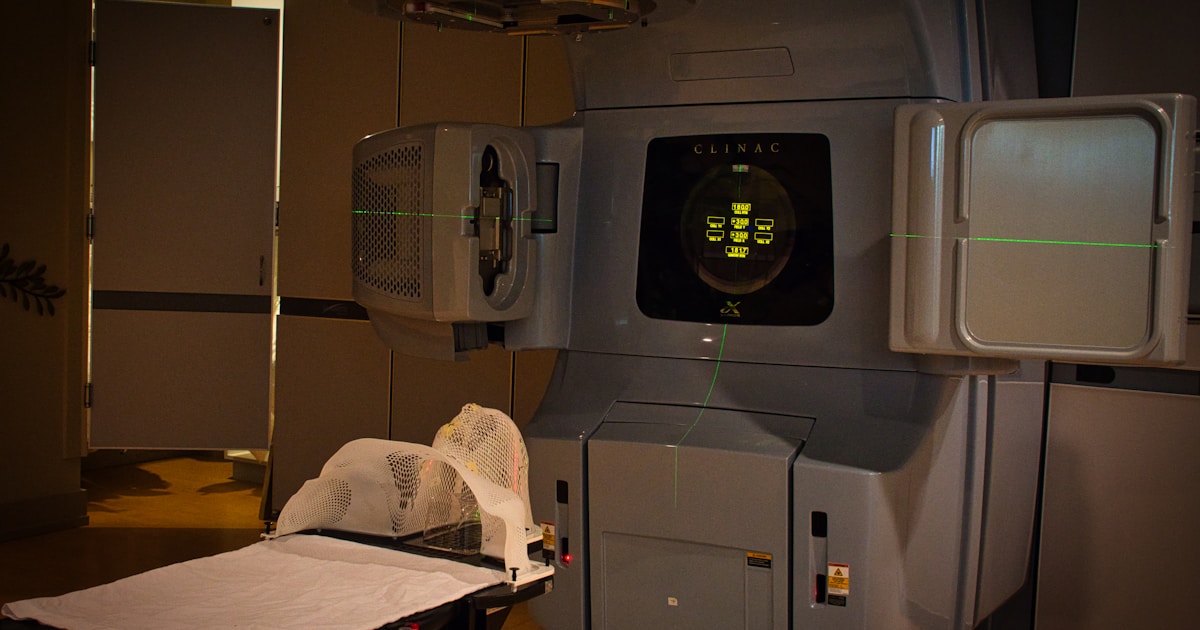
For all its promise, AI in healthcare raises serious challenges that must be addressed with rigour and care.
- Data privacy and security: Training effective AI models requires access to large volumes of sensitive patient data. Ensuring this data is collected, stored, and used in ways that respect patient privacy and comply with regulations such as HIPAA and GDPR is a complex and ongoing challenge.
- Algorithmic bias: AI models trained predominantly on data from certain demographic groups can perform poorly — or produce harmful outcomes — for underrepresented populations. Ensuring diversity in training data and rigorous bias testing is essential before deploying AI in clinical settings.
- Regulatory approval: Medical AI tools are subject to regulatory oversight from bodies like the FDA and the European Medicines Agency. The pace of AI development has outrun existing regulatory frameworks, creating uncertainty about how novel AI tools should be validated and monitored post-deployment.
- The irreplaceable human element: Medicine is not only a technical discipline — it is a deeply human one. The therapeutic relationship between a patient and their clinician, the ability to hold a patient’s hand, to communicate a difficult diagnosis with compassion, to make a judgement call in an ambiguous situation — these are dimensions of care that AI cannot and should not replace.
Conclusion
AI is not coming to replace doctors, nurses, or the human heart of healthcare. It is coming to give clinicians a more powerful set of tools — sharper eyes for reading scans, faster access to relevant evidence, earlier warnings of patient deterioration, and the ability to personalise treatment in ways that were previously impossible. Used thoughtfully and governed responsibly, AI in healthcare has the potential to save millions of lives, reduce suffering, and make high-quality care more accessible to every person on the planet regardless of where they live or what resources they have access to.
The question is not whether AI will transform healthcare — it already is. The question is how we ensure that transformation serves patients, supports clinicians, and upholds the values that make medicine a noble profession. Subscribe to the PetaFusion newsletter for weekly insights on AI, healthcare innovation, and the technologies shaping the future of human wellbeing.
Frequently Asked Questions
1. How is AI used in healthcare?
AI is used across healthcare for medical image analysis, drug discovery, personalised treatment planning, clinical decision support, administrative automation, and patient monitoring. It helps clinicians work more accurately and efficiently while improving patient outcomes.
2. Can AI diagnose diseases?
AI has demonstrated diagnostic accuracy matching or exceeding specialists in areas like radiology, pathology, and dermatology. However, AI diagnostics are currently used to augment rather than replace physician judgement, particularly in complex or ambiguous cases.
3. What is AlphaFold?
AlphaFold is an AI system developed by DeepMind that accurately predicts the three-dimensional structure of proteins from their amino acid sequences. It has been widely described as a landmark scientific achievement, significantly accelerating drug discovery and biological research.
4. How does AI help in drug discovery?
AI accelerates drug discovery by designing novel molecules, predicting how compounds interact with biological targets, identifying the most promising candidates for clinical trials, and repurposing existing drugs for new indications. This can compress development timelines from decades to years.
5. What is personalised medicine?
Personalised medicine tailors treatment decisions to the individual patient based on their unique genetic profile, biomarkers, medical history, and lifestyle factors. AI makes personalised medicine feasible at scale by integrating and analysing the vast data sets required.
6. What are the risks of AI in healthcare?
Key risks include data privacy breaches, algorithmic bias that disadvantages certain patient groups, regulatory uncertainty, over-reliance on AI recommendations without adequate human oversight, and the erosion of the human elements of care that patients value.
7. Is patient data safe with AI healthcare systems?
Safety depends on how systems are designed, governed, and regulated. Reputable AI healthcare tools use encryption, access controls, and compliance with regulations like HIPAA and GDPR. Patients should be informed about how their data is used and retain meaningful control.
8. Will AI replace doctors?
No. AI will augment clinical capabilities rather than replace physicians. The diagnostic, technical, and administrative dimensions of medicine will be increasingly AI-assisted, but the human elements — empathy, communication, ethical judgement, and the therapeutic relationship — remain irreplaceable.
9. How is AI improving mental health care?
AI is being applied in mental health for early detection of depression and anxiety through speech and behavioural patterns, personalised therapy support through digital therapeutics, and reducing waiting times through AI-assisted triage and assessment tools.
10. What is the future of AI in healthcare?
The future includes AI that continuously monitors patient health through wearables, AI-designed drugs moving through clinical trials, autonomous surgical assistants, and AI systems that can predict disease years before symptoms appear. The integration of AI into every aspect of care delivery will deepen significantly over the next decade.