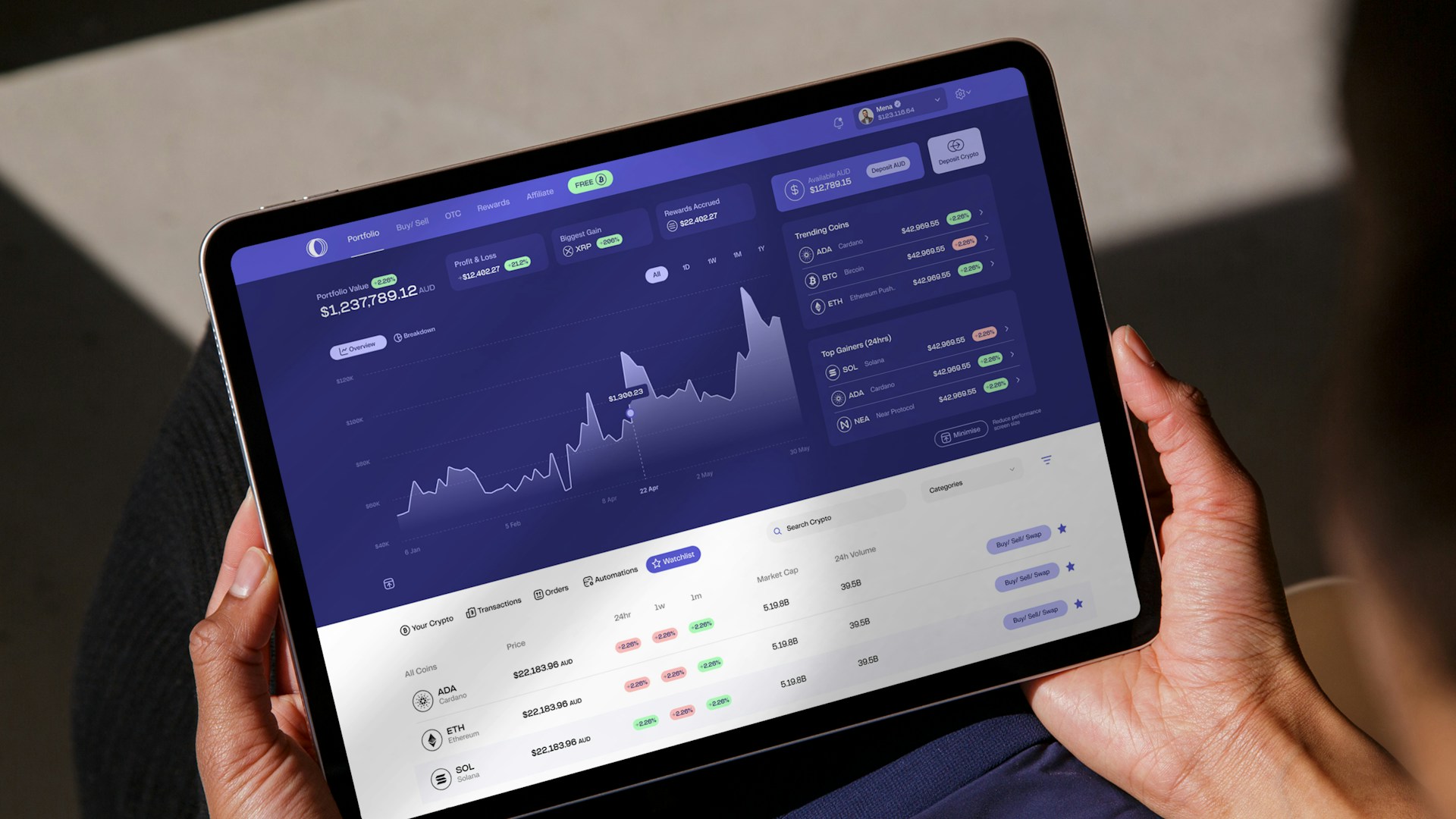
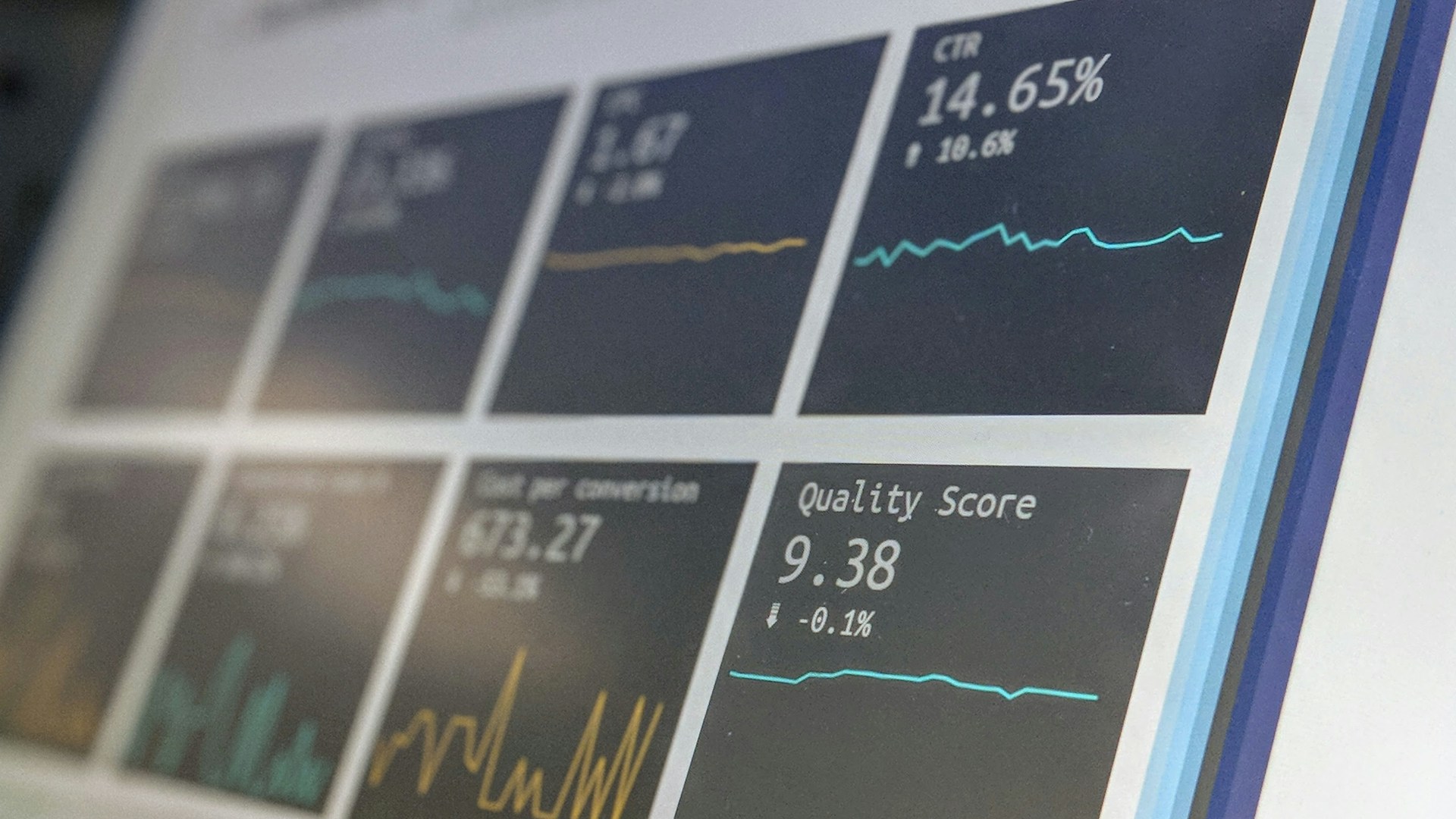
Data has been called the new oil, but raw data alone creates no value. The organisations that win are not those with the most data — they are those that can turn data into insight, and insight into action, faster than their competitors. For decades, business intelligence (BI) promised exactly this: the ability to make smarter decisions grounded in evidence rather than intuition. The reality, however, has often fallen short. Traditional BI tools required specialist analysts, took days or weeks to produce reports, and answered only the questions someone thought to ask in advance. Artificial intelligence is changing all of that — making BI faster, more accessible, more predictive, and dramatically more powerful.
From Descriptive to Predictive: The AI Shift in Analytics
Traditional business intelligence was largely descriptive: it told you what happened. Sales were down 12% last quarter. Customer churn increased in the north-east region. Returns spiked in a particular product category. These insights are valuable, but they are backward-looking. By the time a BI report surfaces a problem, the opportunity to prevent it has often already passed.

AI-powered analytics adds predictive and prescriptive dimensions. Machine learning models trained on historical data can forecast what is likely to happen — which customers are at high risk of churning in the next 30 days, which products are likely to face supply shortages, which sales opportunities are most likely to close. Prescriptive analytics goes further, recommending specific actions: which customers to contact with a retention offer, how to reallocate inventory, which deals to prioritise.
This shift from rear-view mirror to windshield is transforming how organisations allocate resources and make decisions. Rather than reacting to problems after they occur, AI-enabled organisations can intervene before problems materialise.
Natural Language Querying: BI for Everyone
One of the most practically significant advances AI brings to business intelligence is natural language querying — the ability for anyone in an organisation to ask questions of their data in plain English and receive instant, accurate answers, without writing SQL or knowing how to use a BI tool.

Platforms like Microsoft Power BI, Tableau, ThoughtSpot, and Google Looker have all integrated natural language interfaces powered by large language models. A marketing manager can type “What were our top five performing campaigns by ROI last quarter, broken down by channel?” and receive an immediate visualisation. A regional sales director can ask “Which reps in my team are trending below target this month and why?” without waiting for an analyst to run a report.
This democratisation of data access has profound organisational implications. It reduces the bottleneck of analyst capacity, empowers frontline managers to make faster decisions, and shifts the analyst’s role from report-running to higher-value work like model development, data quality governance, and strategic interpretation.
Automated Insight Generation and Anomaly Detection
A persistent challenge in traditional BI is that it only surfaces insights about questions that humans think to ask. But many of the most important signals in business data are unexpected — anomalies, emerging trends, and correlations that no analyst would have known to look for.

AI-powered insight engines continuously scan data for statistically significant patterns, anomalies, and changes, surfacing findings proactively rather than waiting to be queried. Tools like Salesforce Einstein Analytics, IBM Cognos Analytics, and Qlik’s Insight Advisor use machine learning to automatically highlight when a metric deviates significantly from its predicted trajectory, when an unusual pattern appears in customer behaviour, or when two seemingly unrelated data series begin to correlate in ways that warrant investigation.
In financial services, this capability is used for real-time fraud detection and regulatory monitoring. In retail, it surfaces sudden changes in demand patterns that require supply chain adjustment. In operations, it flags early indicators of equipment failure before production is impacted. The common thread is speed: AI surfaces these signals in minutes rather than the days or weeks a human analyst would take to find them manually.
AI-Powered Data Preparation and Integration
One of the most time-consuming and unglamorous aspects of BI has always been data preparation — cleaning, transforming, and integrating data from disparate sources before it can be analysed. Studies consistently find that data analysts spend between 60% and 80% of their time on data preparation rather than actual analysis. AI is beginning to automate significant portions of this work.

Modern data platforms like Databricks, Snowflake, and AWS Glue incorporate AI-driven data cataloguing, automated schema mapping, intelligent data quality checks, and ML-based deduplication. Natural language interfaces allow analysts to describe the data transformation they need in plain English and have the platform generate the underlying code. This dramatically accelerates the time from raw data to analysis-ready dataset, and frees analysts to focus on interpretation and action.
Real-Time Decision Intelligence
Perhaps the most strategically important capability AI brings to business intelligence is the ability to make decisions in real time, at the moment a business event occurs, without human intervention. This is the domain of decision intelligence — the integration of AI models directly into operational systems so that data-driven decisions are made automatically at the point of action.
Examples abound across industries. An e-commerce platform uses real-time AI to personalise the homepage for each visitor based on their browsing history, location, and predicted intent — a decision made in milliseconds for millions of users simultaneously. A bank uses AI to assess loan applications in seconds, drawing on hundreds of variables to produce a credit decision that would take a human underwriter hours. A logistics company uses AI to dynamically reroute deliveries in response to traffic, weather, and priority changes — optimising a network of thousands of vehicles in real time.
In each case, the value comes not from a human reading a report and deciding, but from the decision itself being automated and embedded in the operational workflow.
Building an AI-Ready Data Culture
Technology alone does not produce data-driven organisations. The companies that extract the most value from AI-powered BI share a set of organisational and cultural characteristics that are just as important as the tools they use.
- Data literacy: Employees at all levels need sufficient understanding of data to ask good questions, interpret results critically, and recognise when AI outputs should be questioned. Investing in data literacy programmes is as important as investing in tools.
- Data governance: AI models are only as reliable as the data they are trained and run on. Robust data governance — clear ownership, quality standards, lineage tracking, and access controls — is a prerequisite for trustworthy AI-powered BI.
- Cross-functional collaboration: The most impactful BI implementations bring together data engineers, analysts, domain experts, and business leaders. Technical capability and business context must be combined to turn data into decisions.
Conclusion
AI is not replacing business intelligence — it is fulfilling its original promise. The vision of an organisation where every decision is grounded in real-time data, where insights surface automatically rather than waiting to be discovered, and where the power of analytics is available to every employee rather than locked behind specialist tools — that vision is now achievable. The organisations that invest in AI-powered BI today will build a compounding advantage in decision quality that will be very difficult for slower movers to close.
The data your organisation generates every day contains signals that could transform how you compete. AI is the key to unlocking them. Subscribe to the PetaFusion newsletter for weekly insights on AI, data analytics, and the technologies driving smarter business decisions.
Frequently Asked Questions
1. What is AI-powered business intelligence?
AI-powered business intelligence combines traditional BI capabilities with machine learning and natural language processing to deliver predictive analytics, automated insight generation, natural language querying, and real-time decision support — making data analysis faster, more accessible, and more actionable.
2. How does AI improve data analytics?
AI improves data analytics by automating data preparation, detecting anomalies and patterns that humans would miss, enabling natural language querying for non-technical users, and shifting analytics from descriptive (what happened) to predictive (what will happen) and prescriptive (what should we do).
3. What is natural language querying in BI?
Natural language querying allows users to ask questions about their data in plain English — without writing SQL or using complex BI interfaces — and receive instant visualisations and answers. It is available in platforms like Power BI, Tableau, ThoughtSpot, and Looker.
4. What is decision intelligence?
Decision intelligence is the integration of AI models directly into operational business processes so that data-driven decisions are made automatically at the point of action — such as real-time personalisation, automated credit assessment, or dynamic logistics routing.
5. Which AI BI tools are most widely used?
Leading AI-powered BI platforms include Microsoft Power BI, Tableau, ThoughtSpot, Google Looker, Qlik Sense, Salesforce Einstein Analytics, and IBM Cognos Analytics. Each offers different strengths in natural language querying, predictive analytics, and data integration.
6. How does AI help with data preparation?
AI automates time-consuming data preparation tasks including schema mapping, data quality checks, deduplication, and transformation code generation. This reduces the time analysts spend on data wrangling and accelerates the path from raw data to actionable insight.
7. What is predictive analytics?
Predictive analytics uses machine learning models trained on historical data to forecast future outcomes — such as customer churn, demand fluctuations, or equipment failures. It allows organisations to act proactively rather than reactively.
8. What is data literacy and why does it matter for AI BI?
Data literacy is the ability to read, understand, question, and work with data. It matters because AI-powered BI tools are only effective when the people using them can interpret outputs critically, ask meaningful questions, and recognise when results should be challenged.
9. How can small businesses benefit from AI-powered BI?
Cloud-based AI BI tools are accessible to businesses of all sizes. Small businesses can use platforms like Power BI or Google Looker Studio to gain predictive insights, automate reporting, and make data-driven decisions without hiring large analytics teams.
10. What is the difference between BI and AI analytics?
Traditional BI describes what happened using historical data and static reports. AI analytics adds prediction (what will happen), prescription (what should we do), automated insight discovery, and real-time decision-making — transforming BI from a reporting function into an active driver of business performance.