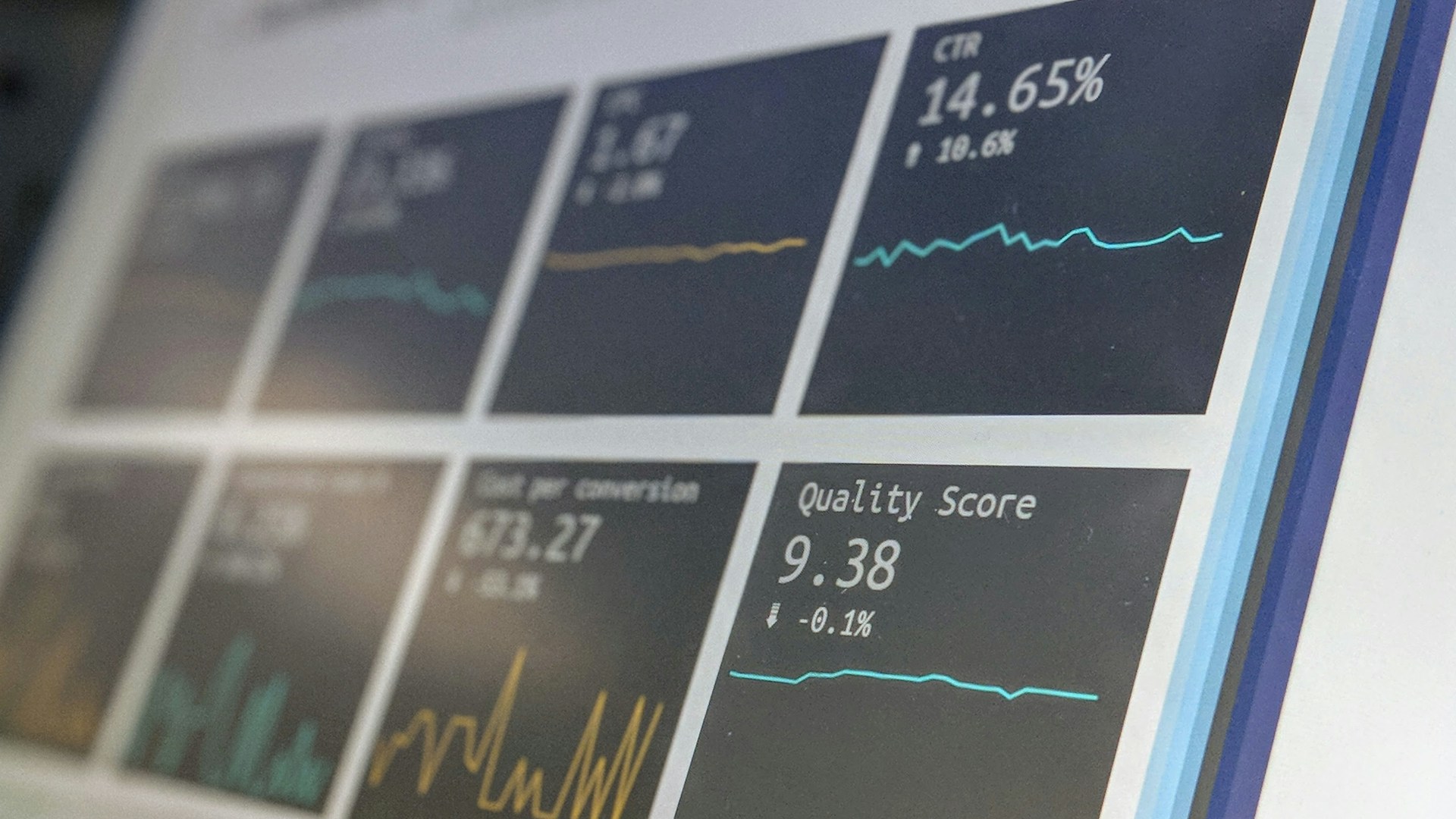
Artificial intelligence has a reputation for sounding futuristic — something happening in research labs and corporate boardrooms, not in ordinary daily life. But the reality is that most people are already interacting with AI dozens of times a day without thinking about it. Every time you unlock your phone with your face, get a song recommendation on Spotify, receive a fraud alert from your bank, or ask a smart speaker to set a timer, you are using AI. The technology has quietly embedded itself into the fabric of modern life — and its presence is growing rapidly. This article explores the most significant ways AI is changing how we live, work, and experience the world.
AI in Your Pocket: Smartphones and Personal Assistants
The smartphone is the most AI-dense device most people own. Face ID and fingerprint recognition use machine learning to authenticate identity. The camera uses AI for scene recognition, portrait mode depth effects, night photography enhancement, and real-time video stabilisation. Autocorrect and predictive text are language models that have learned the patterns of your writing. App recommendations, notification prioritisation, and battery management are all optimised by on-device AI.
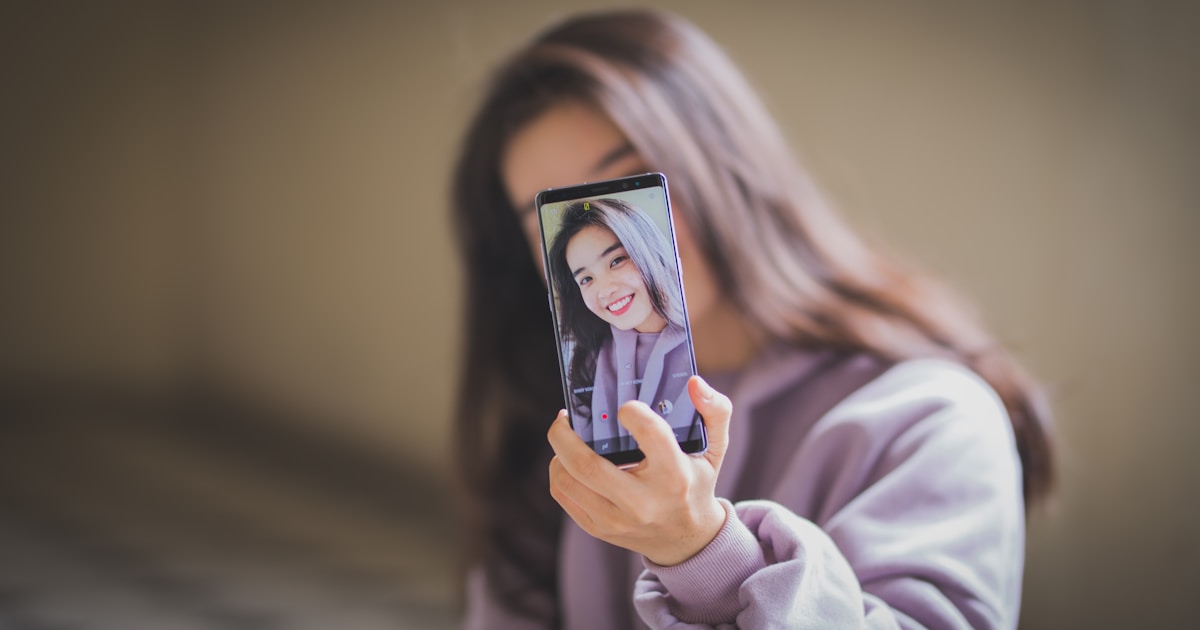
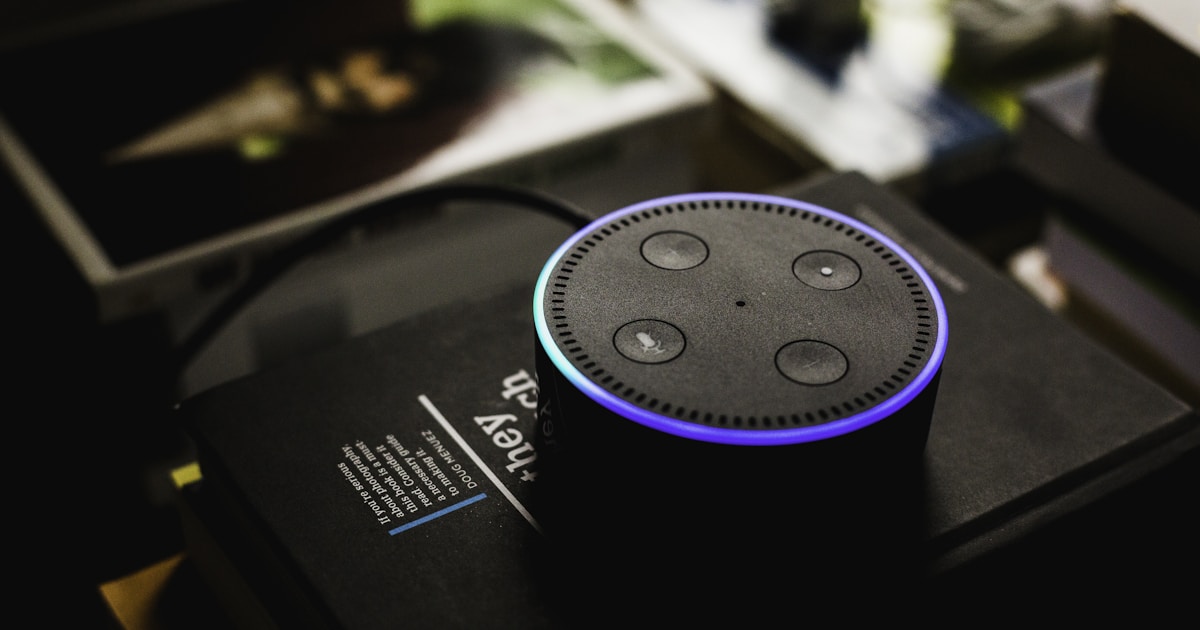
Voice assistants — Siri, Google Assistant, Amazon Alexa — have become genuinely useful for a growing range of tasks: setting reminders, answering questions, controlling smart home devices, sending messages, and managing calendars. The newer generation of AI assistants powered by large language models is considerably more capable, able to hold extended conversations, draft emails, summarise documents, and help with complex tasks in ways that earlier voice assistants could not approach.
For many people, the AI assistant has become the first point of contact for information that previously required a web search, a phone call, or a visit to a professional. This shift — from searching for information to conversing with AI that understands context and gives personalised answers — is one of the most significant changes in how people interact with technology.
Personalisation: The Algorithm Knows You
One of the most pervasive and consequential ways AI shapes daily life is through personalisation — the continuous tailoring of digital experiences to individual preferences, behaviour, and predicted intent. Every major digital platform uses AI for this purpose, and it profoundly shapes what information, entertainment, and products each person is exposed to.
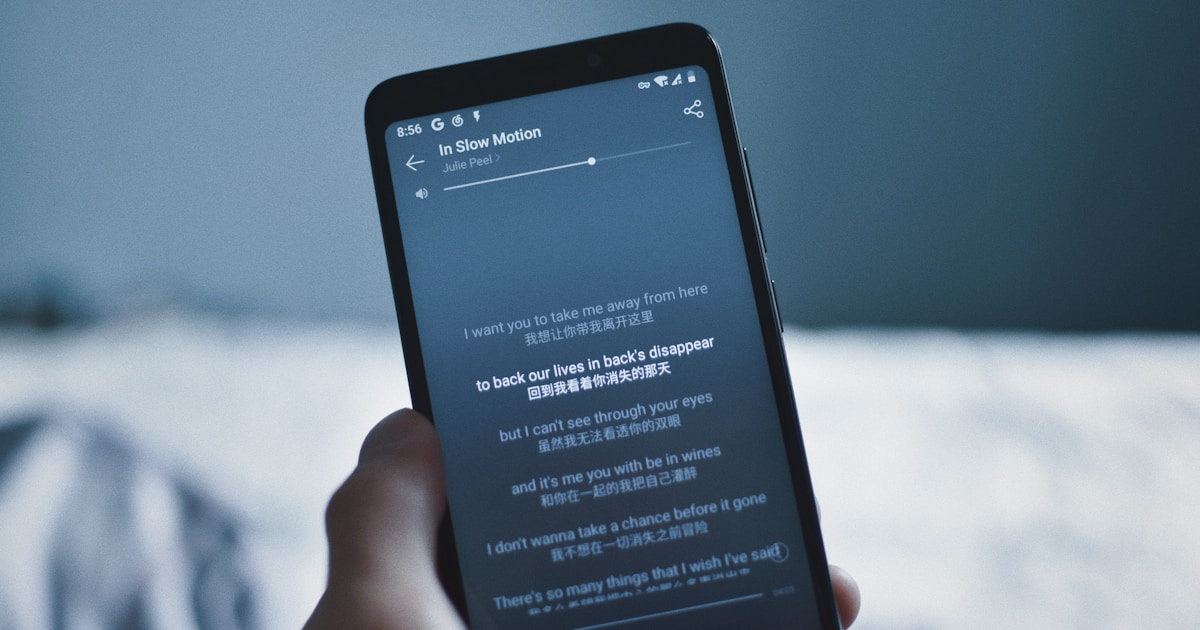
Streaming services like Netflix, Spotify, and YouTube use recommendation algorithms to surface content predicted to match your tastes. These systems are extraordinarily effective: Netflix has estimated that over 80% of content watched on its platform is discovered through its recommendation engine rather than through deliberate search. E-commerce platforms like Amazon use AI to personalise search results, product recommendations, and pricing. Social media feeds are curated by algorithms that optimise for engagement, determining which posts, videos, and news items each user sees.
The benefits are real: discovering music you love, finding a book that changes how you think, or learning about a product perfectly suited to a need you had. But personalisation also carries risks: filter bubbles that narrow exposure to diverse viewpoints, recommendation loops that amplify extreme content to maximise engagement, and the use of personal data at a scale that many users are not fully aware of.
Smart Homes and Connected Living
AI is transforming the home from a passive environment into a responsive, intelligent one. Smart thermostats like Google Nest learn your daily patterns and temperature preferences, automatically adjusting heating and cooling to maximise comfort while minimising energy use. Smart security cameras use computer vision to distinguish between a family member, a delivery driver, and an unknown visitor — alerting you only when genuinely relevant. Smart lighting systems adjust colour and intensity based on time of day, activity, and user preference.
Connected appliances are becoming increasingly capable. AI-powered washing machines can automatically select the optimal wash cycle based on load composition. Smart refrigerators can track contents, suggest recipes based on what’s available, and automatically add items to a shopping list when they run low. Robot vacuum cleaners map home layouts, learn room configurations, and navigate efficiently without human direction.
The aggregated effect of these technologies is a home that increasingly anticipates needs rather than waiting to be instructed — a subtle but meaningful shift in the relationship between people and their living environments.
AI in Healthcare and Personal Wellbeing
AI is becoming a significant presence in personal health management. Wearable devices like the Apple Watch and Fitbit use machine learning to monitor heart rate, detect atrial fibrillation, track sleep quality, and estimate blood oxygen levels. These devices have already detected life-threatening conditions in users who had no prior symptoms, in some cases prompting them to seek medical attention that saved their lives.

Mental health apps like Woebot and Wysa use AI to provide accessible, on-demand emotional support through conversational interfaces based on cognitive behavioural therapy techniques. While they are not replacements for professional care, they provide meaningful support for people who lack access to mental health services or who want low-stakes tools for everyday wellbeing.
AI-powered health information tools are also changing how people interact with the healthcare system. Symptom checkers, triage tools, and AI assistants that can explain medical concepts in plain language are helping people make more informed decisions about when and how to seek care. This democratisation of health information has real value — though it also raises concerns about over-reliance on AI for decisions that require professional clinical judgement.
AI at Work: The Changing Shape of Professional Life
For most knowledge workers, AI tools have become part of the daily professional toolkit in the space of just a few years. Writing assistants help draft emails, reports, and presentations. AI meeting tools transcribe conversations, generate summaries, and extract action items. Code assistants help developers write, debug, and explain code. Research assistants synthesise information from multiple sources and surface relevant insights in seconds.
The cumulative effect is a significant increase in individual productivity — but also a shift in what professional work looks like day-to-day. Tasks that previously required dedicated time and specialist skills — producing a polished first draft, creating a data visualisation, summarising a lengthy document — can now be accomplished in minutes with AI assistance. This is freeing professionals to spend more time on the higher-order work that requires human judgement, creativity, and relationship-building.
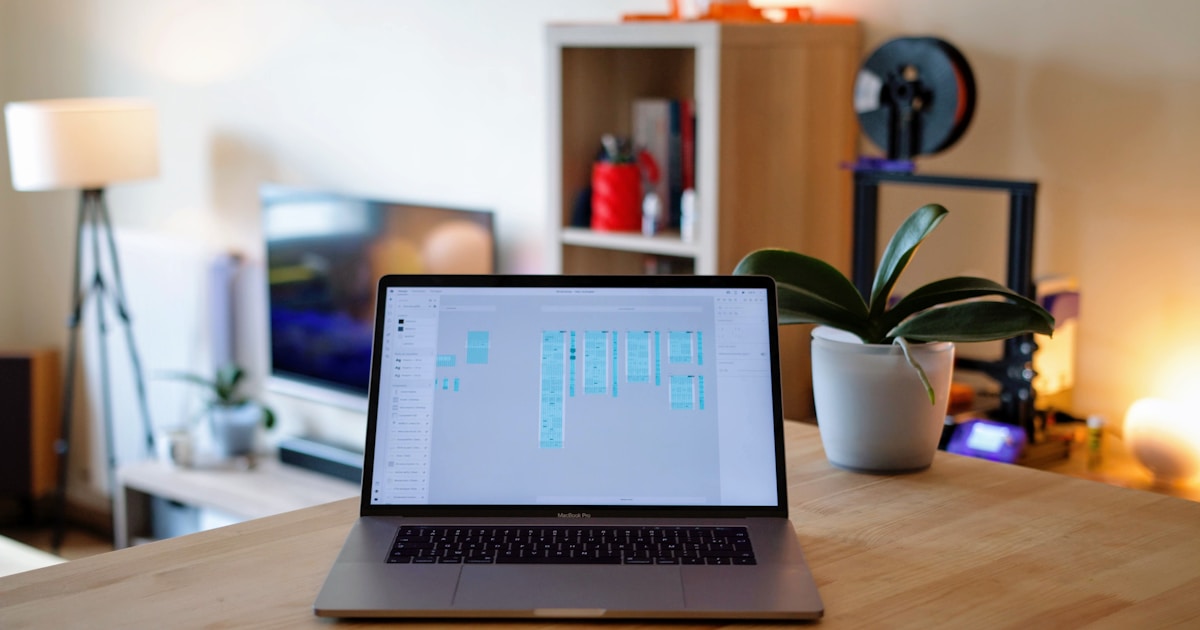
At the same time, it is raising questions about skill development, the value of expertise, and how organisations measure and reward professional contribution in an era when many outputs can be AI-assisted.
Transport, Navigation, and Getting Around
AI has fundamentally changed how people navigate the physical world. Mapping applications like Google Maps and Apple Maps use real-time AI to predict traffic, suggest optimal routes, and update directions dynamically based on changing conditions. Ride-hailing platforms use AI to match drivers and passengers, predict demand, and set dynamic pricing. The promise of fully autonomous vehicles — already operational in limited deployments through services like Waymo — represents the next major frontier.
In aviation, AI assists with autopilot systems, air traffic management, and predictive maintenance that reduces the risk of mechanical failures. In rail and urban transit, AI optimises scheduling and manages real-time disruptions. The trajectory is clear: AI will make transport progressively safer, more efficient, and more personalised over the coming decade.
Conclusion
AI is not coming to change everyday life — it already has. The question is no longer whether AI will be part of daily experience, but how thoughtfully we engage with it: understanding how it shapes what we see and hear, what data it uses and how, and where human judgement remains essential. The people who navigate this era most successfully will be those who use AI tools with both enthusiasm and discernment — benefiting from their capabilities while remaining clear-eyed about their limitations and their influence.
The AI revolution is not a distant event. It is happening in your pocket, your home, your workplace, and your healthcare, right now. Subscribe to the PetaFusion newsletter for weekly insights on AI, technology, and the innovations shaping how we live.
Frequently Asked Questions
How is AI used in everyday life?
AI is used in smartphones (face recognition, cameras, autocorrect), streaming recommendations, smart home devices, navigation apps, wearable health monitors, voice assistants, fraud detection, and workplace productivity tools — touching virtually every aspect of daily life.
What are examples of AI in the home?
Smart thermostats, robot vacuum cleaners, AI security cameras, smart speakers, connected appliances, and intelligent lighting systems are all examples of AI in the home. They learn user preferences and patterns to automate and optimise the home environment.
How does Netflix use AI?
Netflix uses machine learning algorithms to personalise content recommendations for each user based on viewing history, ratings, time of day, device, and the behaviour of similar users. Over 80% of content watched on Netflix is discovered through its recommendation engine.
How is AI changing the workplace?
AI is automating routine tasks, accelerating research and writing, improving meeting productivity through transcription and summarisation, assisting with coding, and enabling faster data analysis. This is shifting knowledge workers toward higher-order tasks that require creativity and judgement.
Is AI in healthcare accurate?
AI health tools vary widely in accuracy. In validated clinical applications — such as ECG analysis in the Apple Watch or diabetic retinopathy screening — accuracy can match or exceed specialist clinicians. Consumer wellness apps are generally less rigorously validated and should complement rather than replace professional medical advice.
What is a recommendation algorithm?
A recommendation algorithm is an AI system that predicts content, products, or services a user is likely to enjoy based on their past behaviour and the behaviour of similar users. They power personalisation on platforms like Netflix, Spotify, Amazon, and social media.
Are voice assistants always listening?
Voice assistants are designed to listen only for a wake word (“Hey Siri”, “OK Google”) and process audio locally until the wake word is detected. However, accidental activations do occur, and audio snippets are sometimes reviewed by human contractors for quality improvement purposes. Privacy-conscious users can review and delete their voice history in device settings.
What is a filter bubble?
A filter bubble is the effect produced when personalisation algorithms repeatedly show users content aligned with their existing views, progressively narrowing their exposure to diverse perspectives. It is a concern in social media and news personalisation, potentially reinforcing existing beliefs rather than challenging them.
How does AI help with navigation?
AI-powered navigation apps analyse real-time traffic data from millions of users to predict congestion, suggest optimal routes, and dynamically reroute when conditions change. They also use machine learning to predict travel times with high accuracy based on historical patterns.
What AI tools are most useful for everyday productivity?
The most widely used AI productivity tools include writing assistants (ChatGPT, Claude, Gemini), meeting transcription tools (Otter.ai, Fireflies), grammar checkers (Grammarly), scheduling assistants (Reclaim.ai), and research tools (Perplexity). The best choice depends on your specific workflow and needs.